
Join The MFCH Community
Travel Journal
From the vineyards of Bordeaux and Alsace during harvest season to the forests of the Dordogne and the quieter châteaux of the Loire Valley, these are some of our favourite places to experience France in fall.
Living in France, we’re lucky enough to see our favourite regions at very different times of the year. And while everyone dreams about France in the summer, we often find ourselves recommending September and October instead.
It’s simply a lovely time to be here. We’re still having lunch outside in Provence well into September, while further north the forests are already beginning to change. In Bordeaux and Alsace, everyone is busy with the grape harvest. In the Dordogne, mushrooms and walnuts are appearing at the markets, and by October we’re very happy to see richer, more comforting dishes back on restaurant menus.
It also gives you a reason to discover parts of France that you may not immediately think of for a holiday. We love the Jura at this time of year, the Loire châteaux are wonderful to visit in autumn, and if you’ve only ever seen Provence at the height of summer, September shows you a completely different side of the region.
So rather than trying to choose the best place to visit in France in fall, we’ve put together the places we personally love and what we would do while we were there.
The Dordogne Valley & Périgord
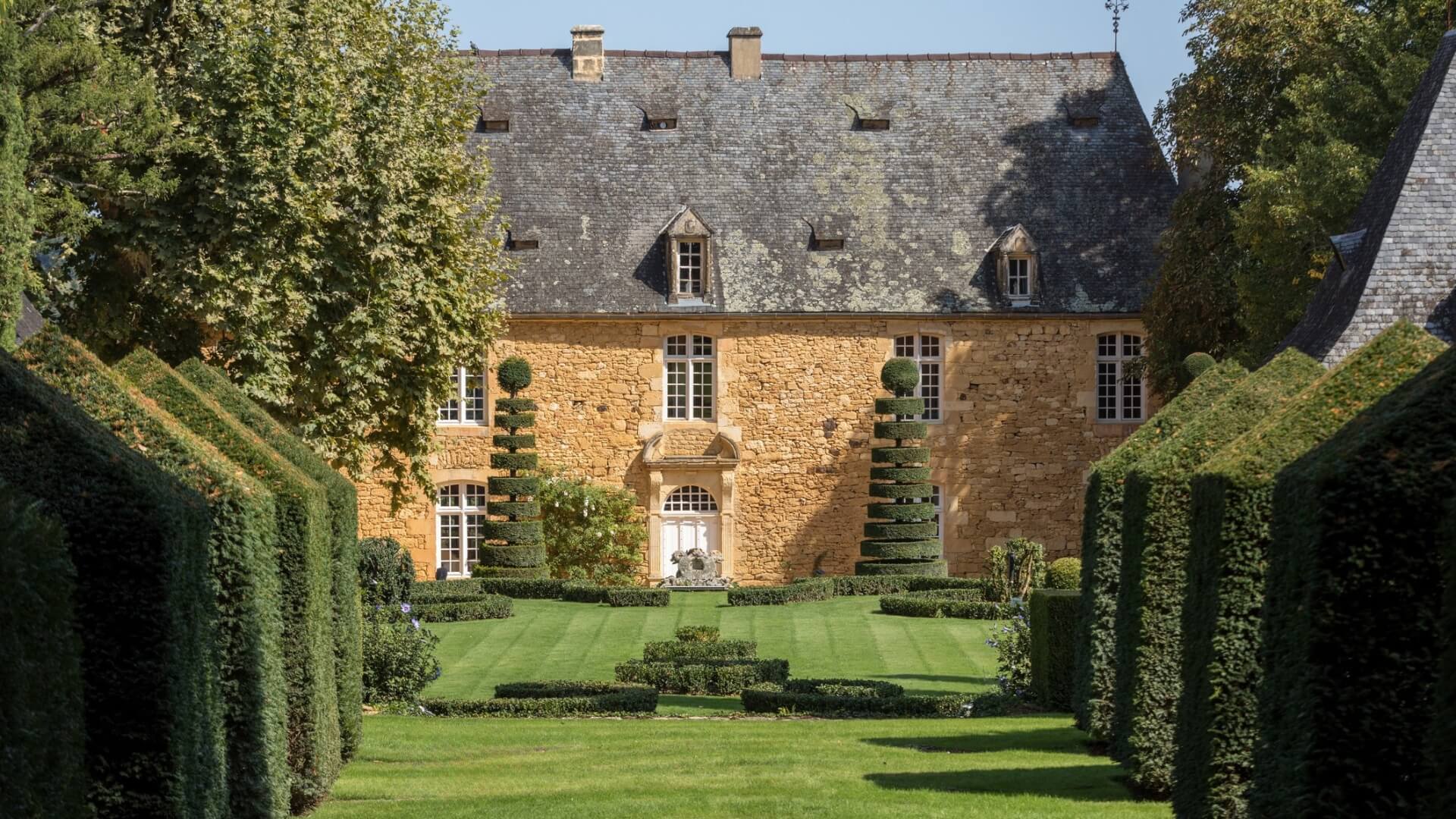
We have spent a lot of time in the Dordogne over the years, both for our tours and on our own travels, and autumn suits this part of France particularly well.
The landscape here is already incredibly green and wooded, so by October the valleys around the Dordogne and Vézère rivers begin to change completely. The forests turn shades of copper and gold, mornings can be misty along the river, and the medieval villages feel much quieter than they do in the middle of summer.
This is also a region where the season really makes its way onto the table. Walnuts are harvested, mushrooms start appearing at the markets and on restaurant menus, and later in the season come the truffles for which Périgord is so famous.
We would spend a few days exploring villages such as Beynac-et-Cazenac, La Roque-Gageac and Domme, visit the markets, stop at a château or two and leave enough time for lunch. The Dordogne is not a region we recommend rushing through.
And if you love gardens, don’t immediately dismiss them once summer is over. Some of the gardens we know here are particularly beautiful when their structure becomes more visible and the surrounding landscape begins to change colour.
Our MFCH tip: Base yourself somewhere for several nights rather than changing hotels every day. The pleasure of the Dordogne is driving along the smaller roads, finding a market you hadn’t planned on visiting and being able to change your plans when somewhere looks interesting.
Alsace
If there is one region that makes complete sense to us in autumn, it is Alsace.
September and October are wonderful months to explore the Alsace Wine Route, when the vineyards are changing colour and harvest season is underway. The route winds between vineyards, small towns and villages, so you can easily spend several days stopping as you go.
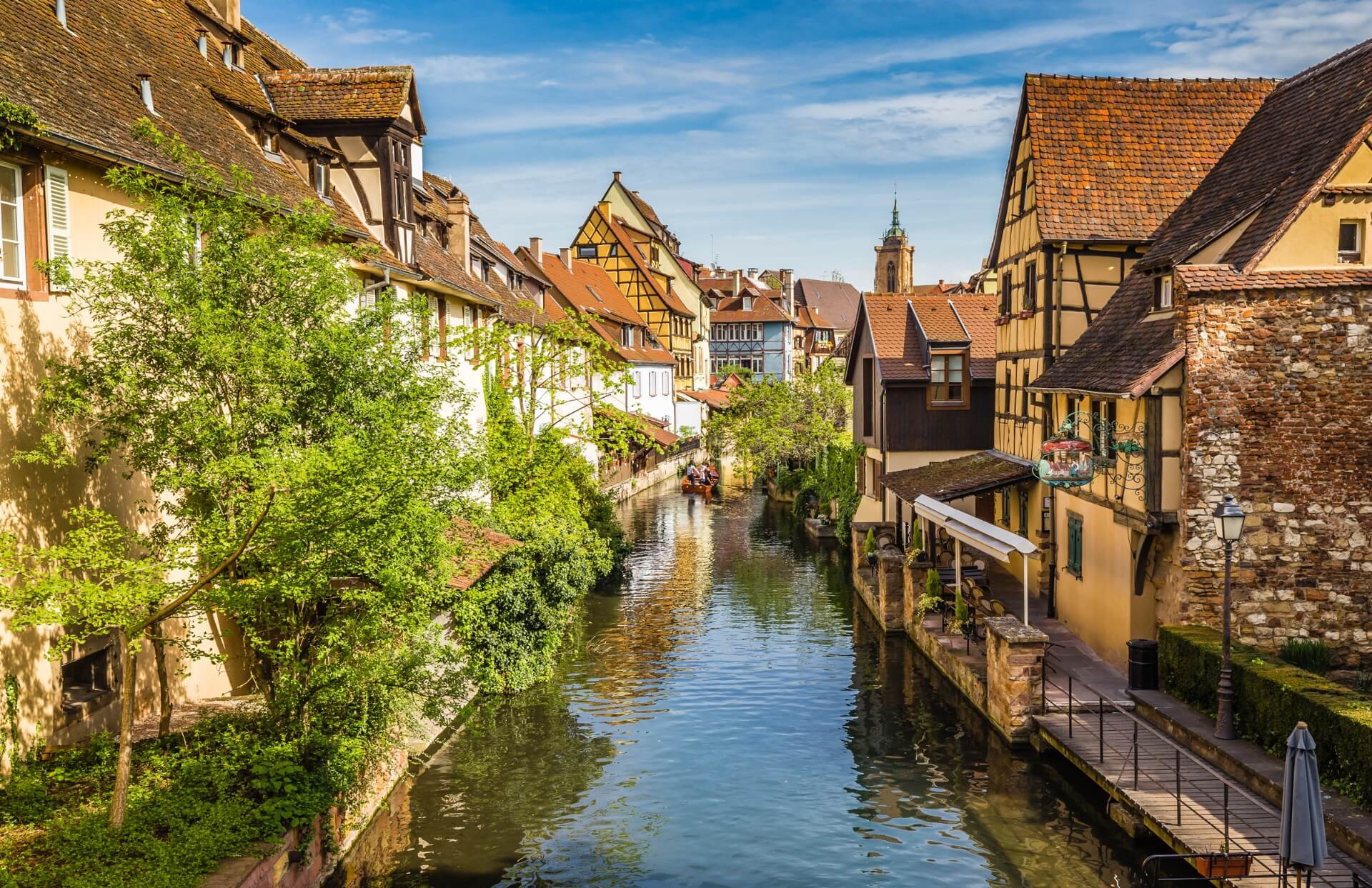
Riquewihr, Eguisheim, Kaysersberg and Colmar are some of the best-known names, and yes, they are beautiful. Half-timbered houses, narrow streets and courtyards full of flowers make this one of the most distinctive corners of France. But we would also encourage you to stop in some of the smaller villages along the wine route rather than simply ticking off the famous ones.
Of course, wine is a big part of travelling here. Riesling, Gewurztraminer and Pinot Gris are produced throughout the region, and visiting an independent domaine gives you a much better understanding of how varied Alsatian wines can be.
Then there is the food. Autumn is exactly when we start wanting a proper tarte flambée, baeckeoffe or choucroute, preferably in a small winstub with a local glass of wine.
If you have an extra day, head towards the Vosges. The landscape changes quickly as you leave the vineyards behind, with forests, mountain roads and walking trails that are particularly beautiful at this time of year.
Our MFCH tip: Don’t try to drive the entire wine route in one day. Choose a few villages, book a tasting with a winemaker and give yourself time for lunch.
The Loire Valley
The Loire is one of those destinations where travelling slightly out of season can completely change the experience.
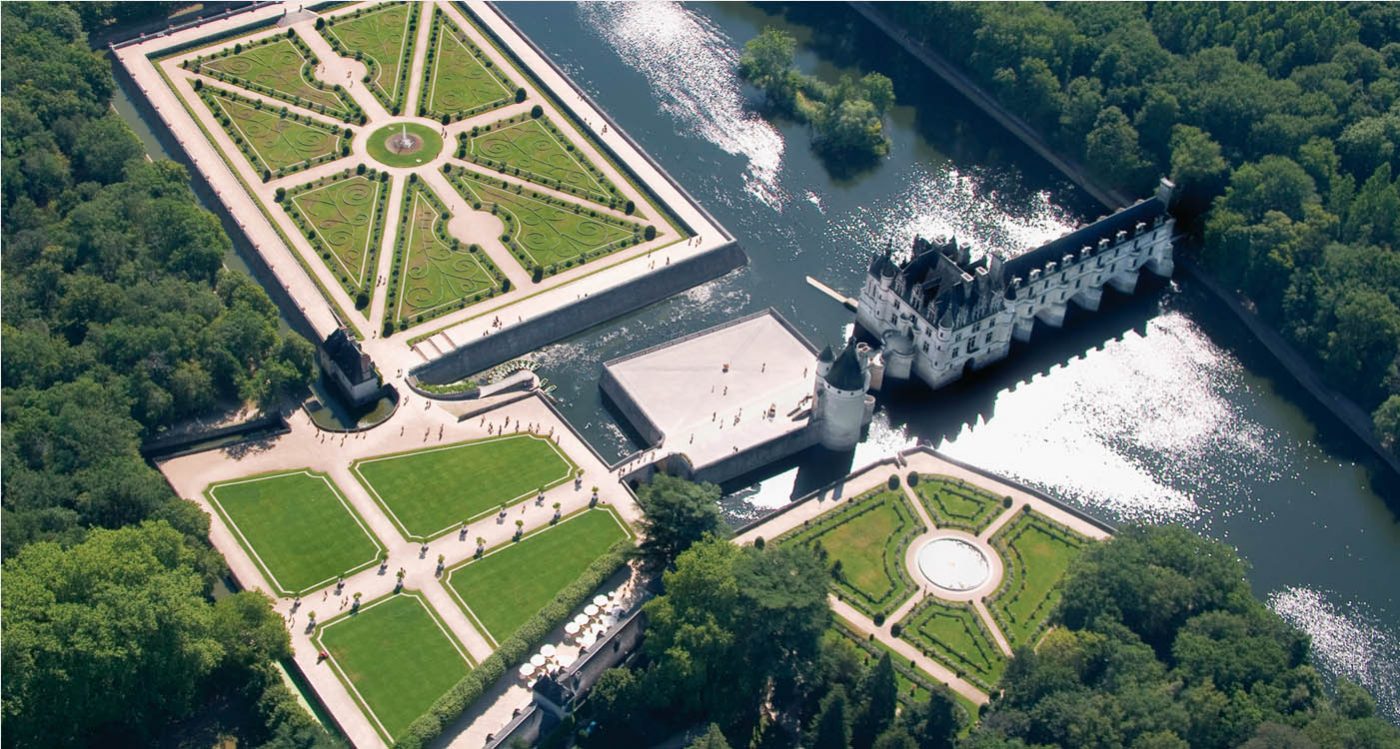
Of course, you come here for the châteaux. Chenonceau, Chambord, Villandry, Azay-le-Rideau; these are some of the most extraordinary historic properties in France and they are worth seeing at least once. But visiting them in July and visiting them on a quiet October morning are two very different things.
By autumn, the biggest summer crowds have gone and you can take a little more time. The gardens at Villandry are still fascinating, the forests surrounding Chambord begin to turn, and the softer autumn weather makes walking through the estates far more enjoyable.
But we wouldn’t make the trip only about the famous châteaux.
There are wonderful smaller properties, antique shops, gardens, villages and wineries throughout the Loire Valley. This is also a good region for people who like to travel without having every hour of every day planned in advance.
Our MFCH tip: Mix the famous names with smaller privately owned properties. Seeing Chambord is extraordinary, but some of our favourite visits in France have been to homes where the owner is the person opening the door.
Bordeaux & the Vineyards
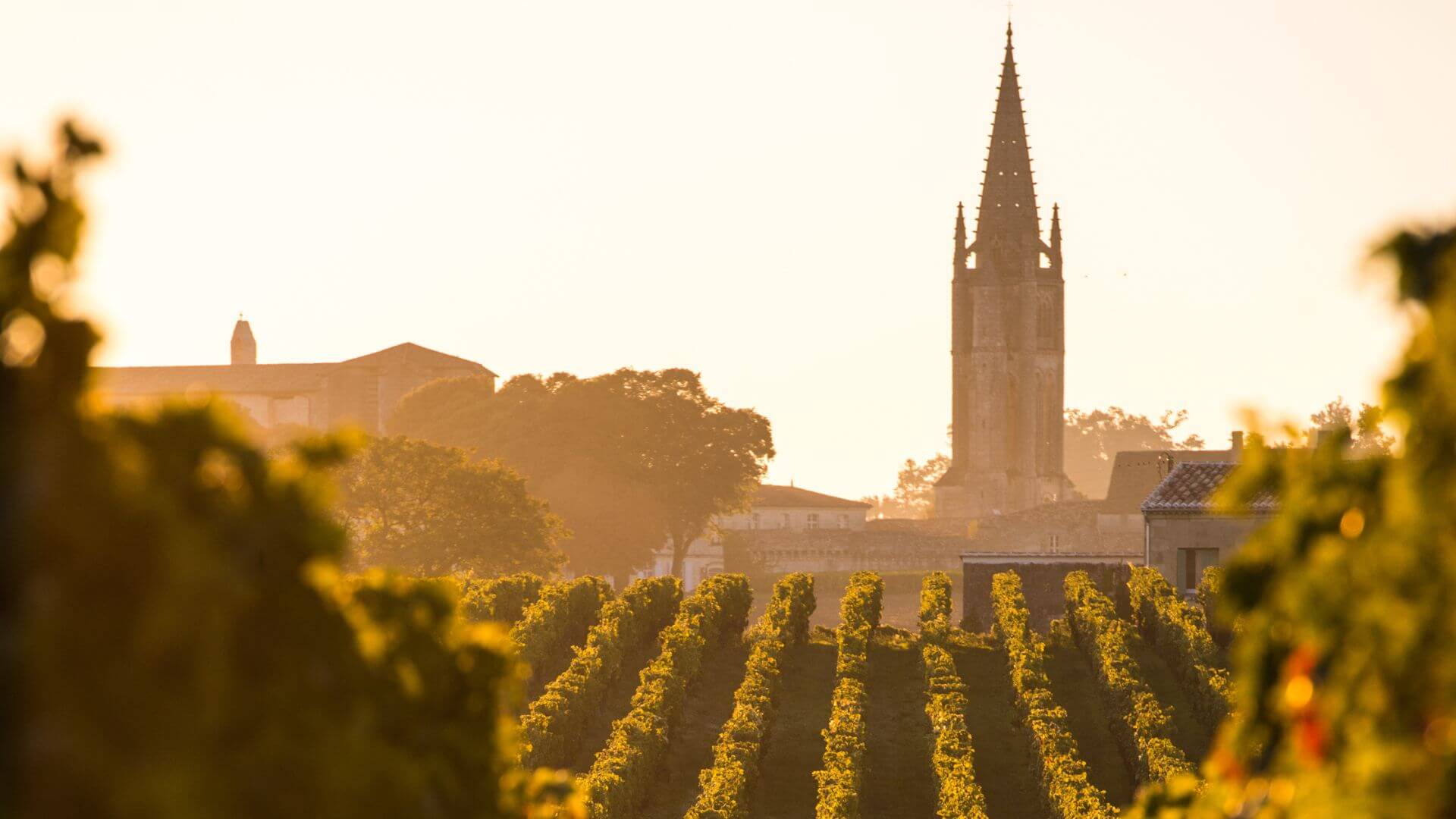
Bordeaux in autumn is really two trips in one: the city itself and the wine country surrounding it.
In the city, we love simply walking. Bordeaux’s eighteenth-century architecture gives the centre a very particular elegance, and it is an easy place to explore on foot. Start around the Place de la Bourse, wander through the smaller streets, stop at the market and don’t forget to have a cannelé somewhere along the way.
But in September and October, we would absolutely make time to leave the city.
This is harvest season in the vineyards, and the countryside around Saint-Émilion, Pomerol and the Médoc is particularly interesting at this time of year. The vines begin changing colour, grapes are being brought in, and there is a completely different energy around the estates.
We always prefer visits where there is time to understand the property rather than simply arriving, tasting three wines and leaving. Book ahead, choose one or two châteaux for the day and make lunch part of the itinerary.
Autumn is also a very good time to eat in Bordeaux. Cèpes begin appearing on menus, the oyster season is underway around the Bassin d’Arcachon, and the richer cooking of southwest France suddenly makes sense again after summer.
Our MFCH tip: Give Bordeaux at least one full city day before heading into the vineyards. And if you have enough time, spend a night or two in wine country rather than returning to the city every evening.
The Jura
The Jura is perhaps the least obvious destination on this list, which is also part of the reason we like it.
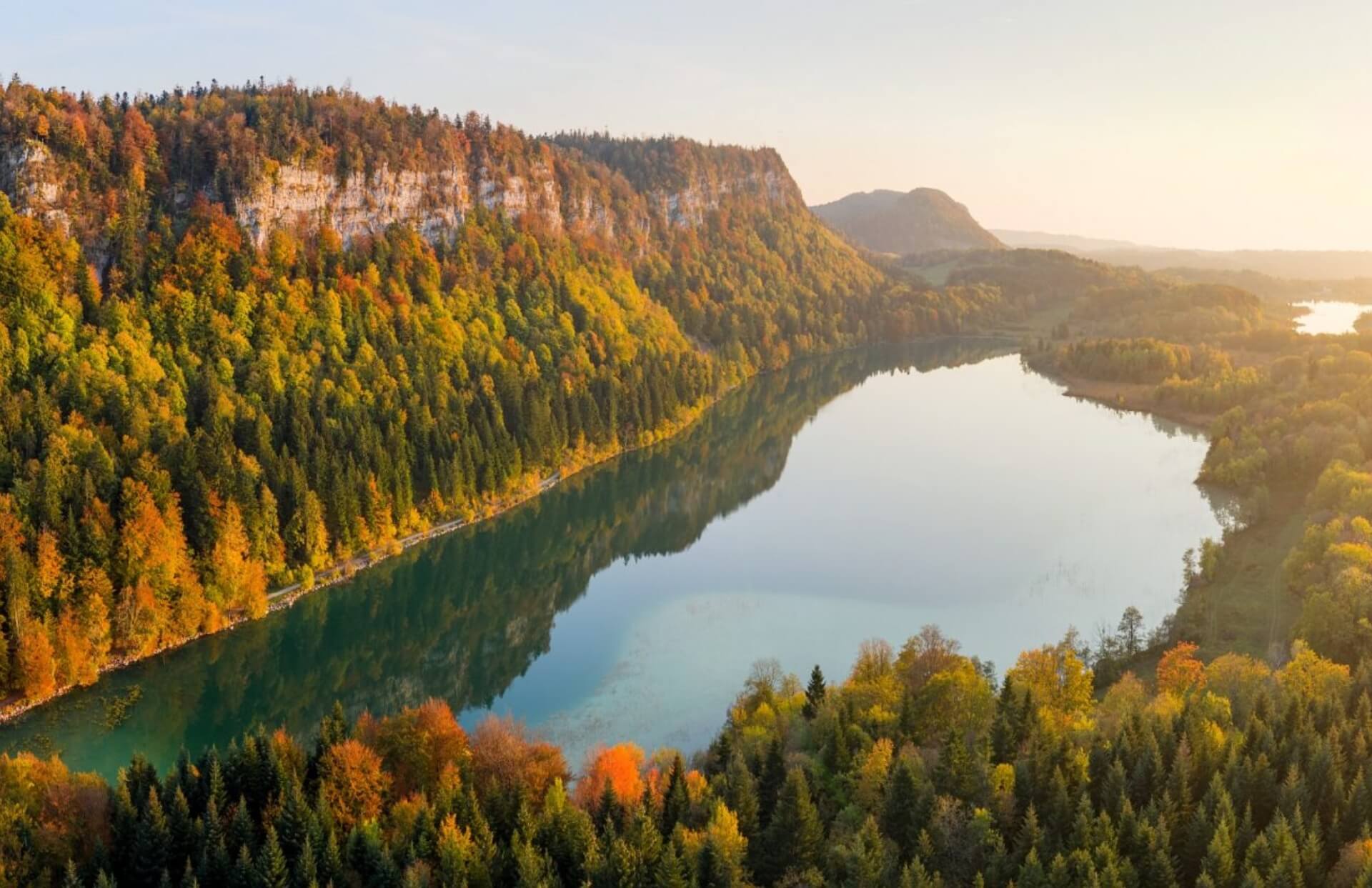
Close to the Swiss border in eastern France, this is a region of forests, lakes, mountains, vineyards and small towns. It feels much wilder than many of France’s better-known destinations, and autumn is a particularly beautiful time to explore it.
The Haut-Jura is wonderful for walking, especially as the forests change colour. Around the Four Lakes and Lac de Chalain, you can spend a whole day outside, stopping at viewpoints and following trails through the woods.
But the Jura is certainly not only about hiking.
This is the home of Comté, and visiting a local fruitière to understand how it is made is genuinely fascinating, particularly when you realise how much the flavour changes depending on where the milk comes from and how long the cheese has been aged.
The region also has its own distinctive wines, including the famous vin jaune, which makes it an interesting alternative for anyone who loves wine but has already explored Burgundy and Bordeaux.
And after several hours outside in October, a plate of something involving Comté and a glass of Jura wine is exactly where we want to be.
Our MFCH tip: Bring proper walking shoes and don’t over-plan. Weather can change quickly here, so keep a couple of indoor visits, a fruitière, winery or long lunch, ready for rainy afternoons.
MFCH Travel Experiences
A curated collection of small group tours across France, blending culture, gardens, antiques, history, and art de vivre.
Every Tuesday
Get the latest updates on French travel, culture, and more delivered right to your inbox.
Continue Reading
Join The MFCH Community