Join The MFCH Community
Travel Journal
©MFCH
From Provençal pottery and country furniture to Parisian decorative arts and the brocantes of rural Normandy, we explore three very different places to buy antiques in France.
For Sharon, antiquing has always been part of life in France rather than something reserved for serious collectors. She has been buying pieces for her own home and sourcing antiques around the country for decades, getting to know dealers along the way and learning where to look, what questions to ask and, importantly, when to walk away. Her book on buying antiques in France, published by Flammarion in 2026, grew from much of that experience.
But there is no single way to go antiquing in France. Travel from Provence to Paris and then north into the countryside of Le Perche, and both the experience and what you are likely to find change considerably.
That is something we wanted to explore with our three antiques journeys for 2027. Rather than repeating the same tour in three destinations, each journey has been built around the antique culture of that particular place.
©MFCH
Provence: pieces made for everyday life
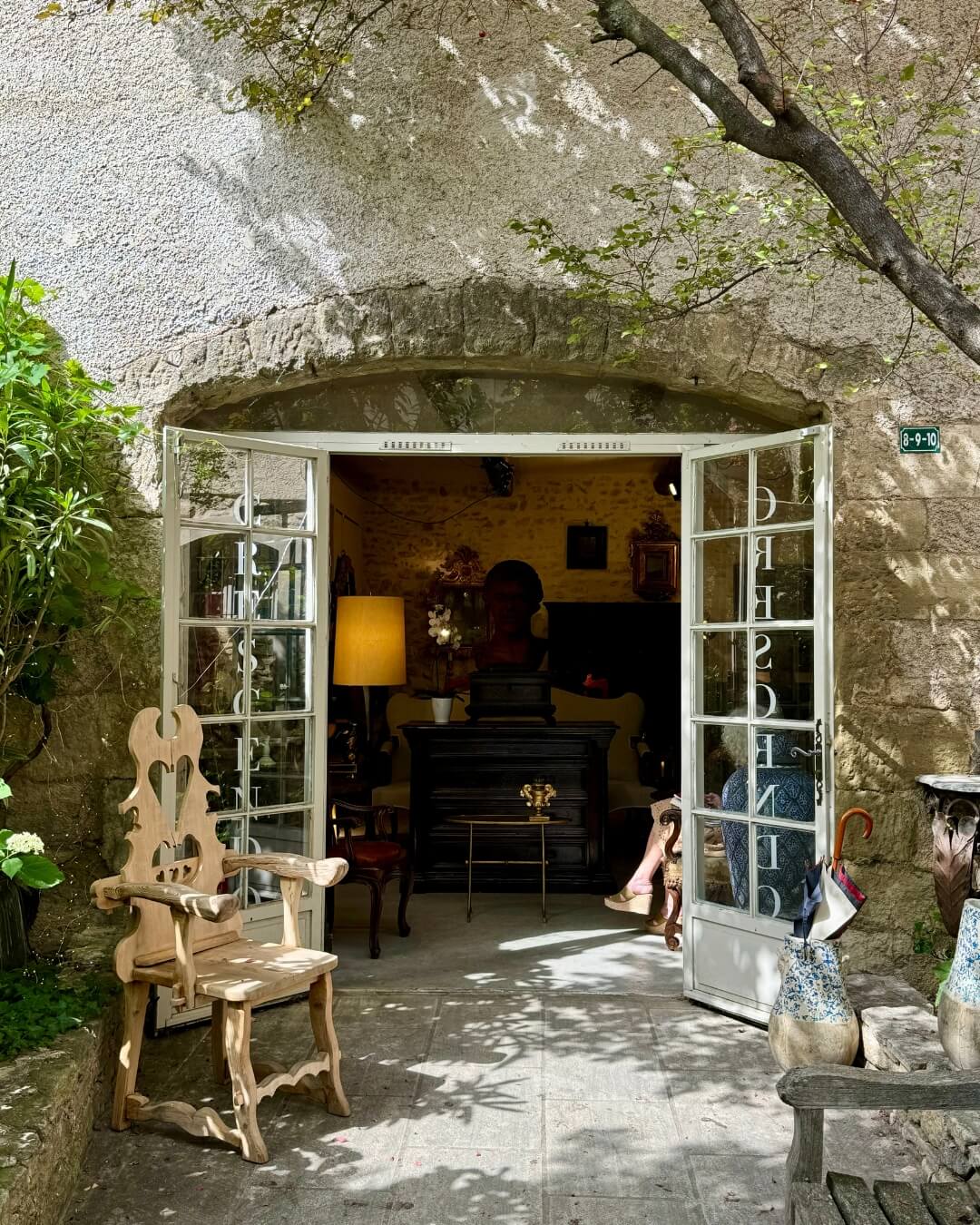
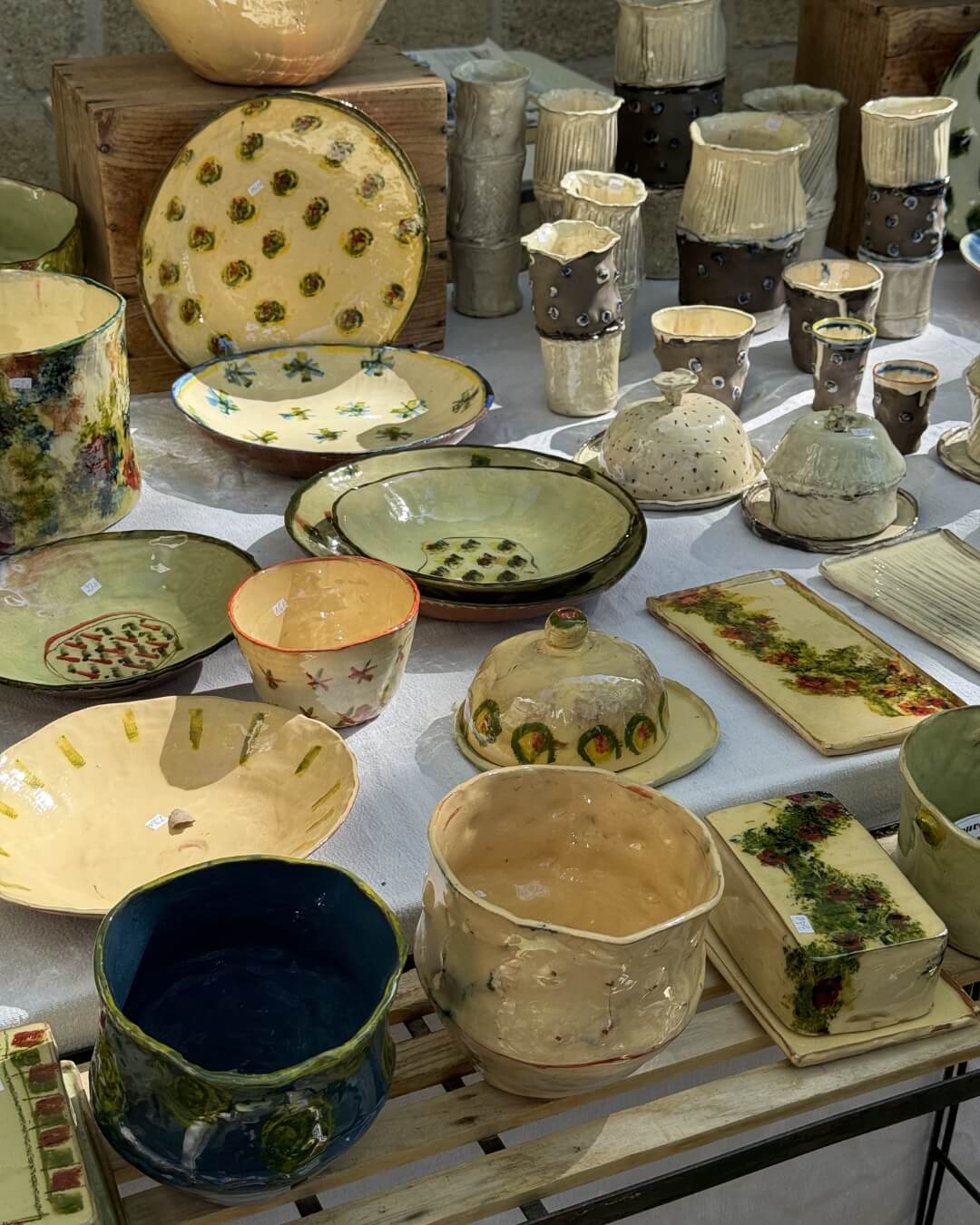
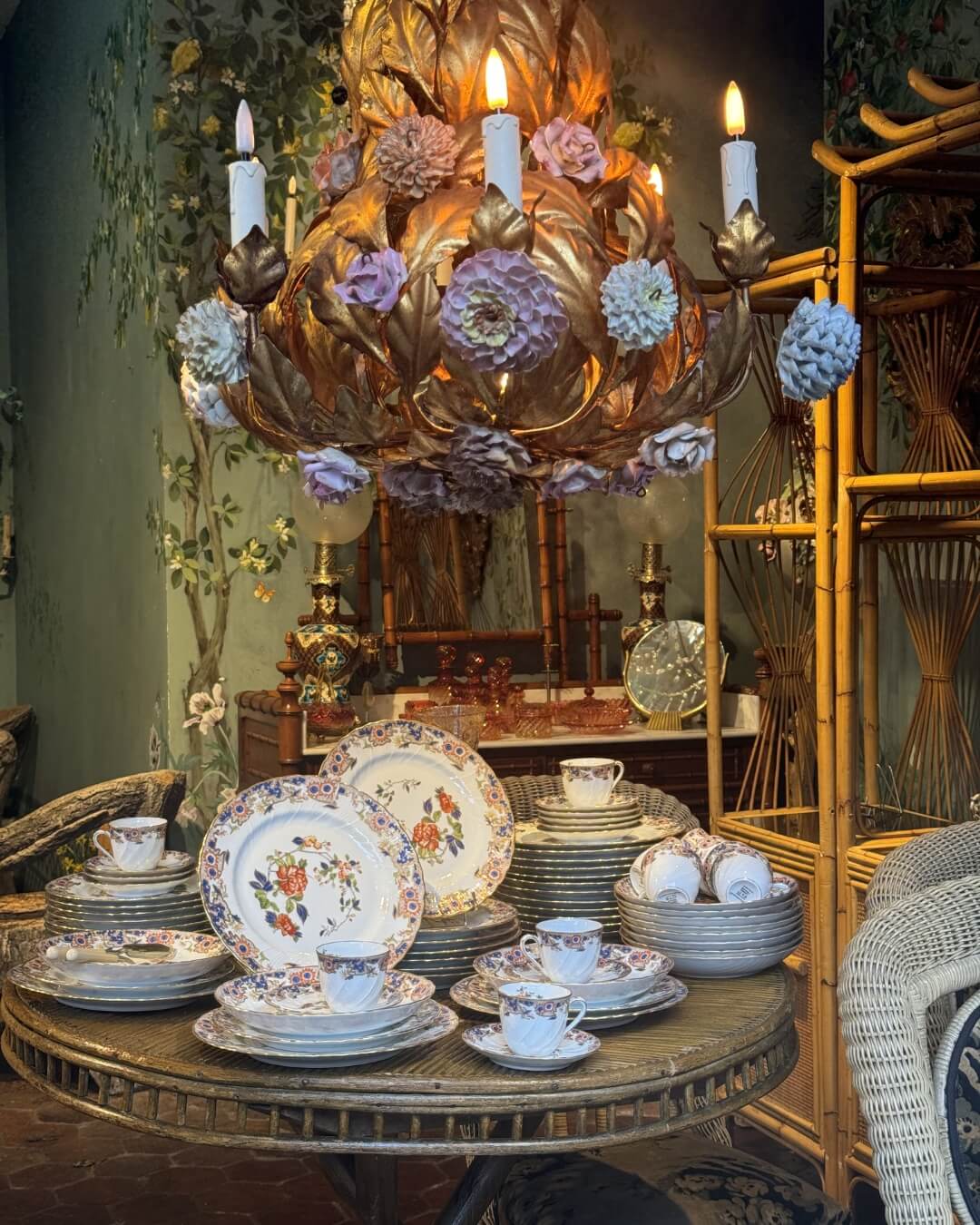
Antiquing in Provence is wonderfully tactile. Tables spill outside shops, pieces are piled together at village brocantes, and you can quite easily begin the morning looking for nothing in particular and finish it wondering how you are going to get an enormous old garden pot home.
What we particularly love here are the pieces that once belonged to everyday Provençal life.
Old pottery is an obvious example. Glazed earthenware, bowls, pitchers and pots were made to be used rather than displayed, and their imperfections are part of their appeal. You’ll also frequently come across linens, baskets, wooden kitchen pieces, garden objects, small tables, chairs and country furniture. At the other end of the spectrum are more refined pieces that have come from larger houses and estates, something that makes the region surprisingly varied for a buyer. Our own Provence tour moves deliberately between both worlds.
Our Art of Antique Buying in Provence, from September 22nd–27th 2027, is hosted by Sharon, and this is where having someone who has bought antiques in France for decades becomes particularly useful.
There is the obvious help, understanding prices, speaking with dealers, negotiating and working out how a purchase can be shipped home, but there is also the knowledge that is harder to put into a guidebook. Sharon knows many dealers and collectors personally, and our itinerary includes private homes and collections alongside markets and shops.
She can also help guests learn to look at a piece properly. Is the wear consistent with its age? Has it been heavily restored? Does that matter if you simply love it? Is the price reasonable? And will you still like it once it is sitting in your house rather than on a beautiful Provençal market stall?
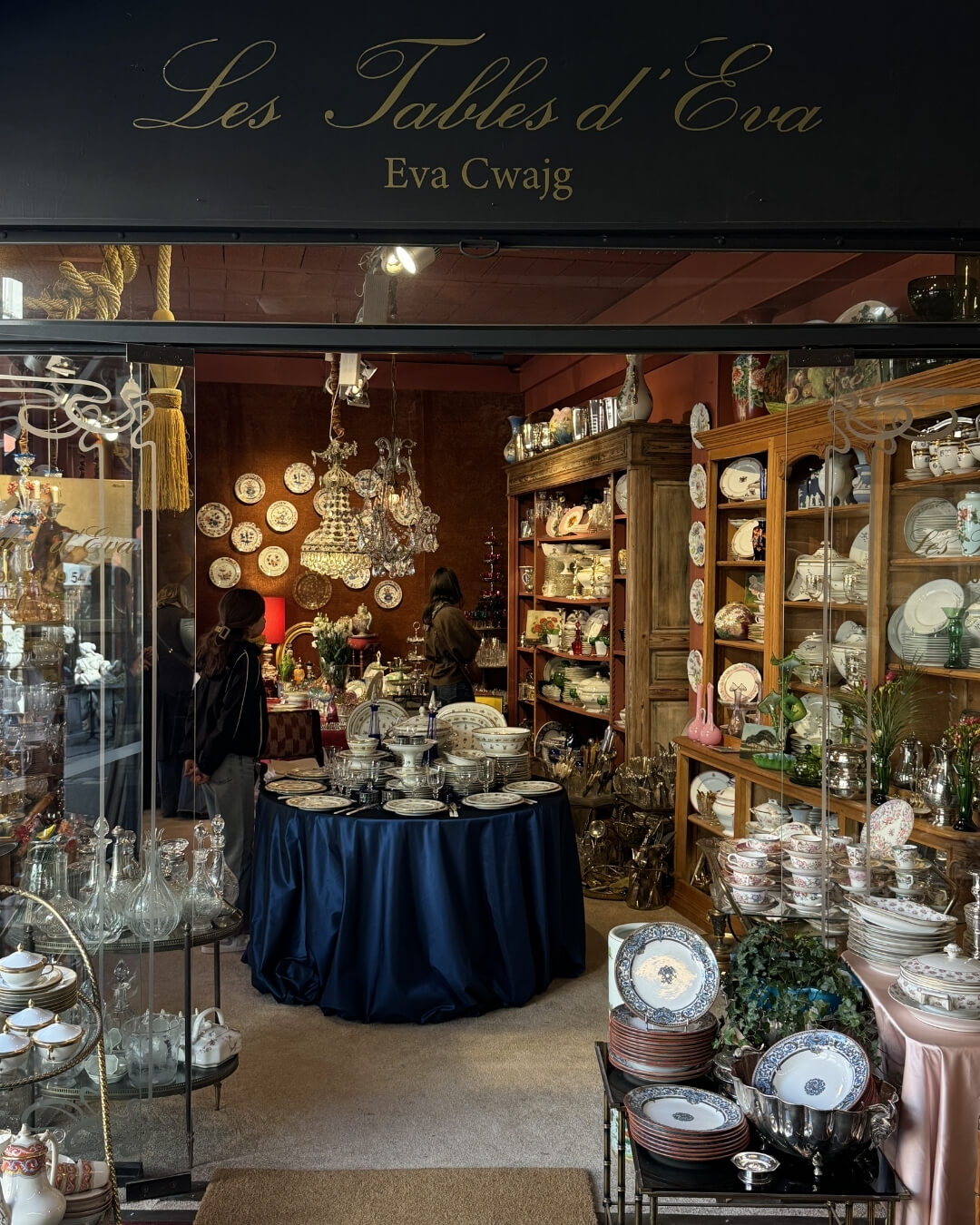
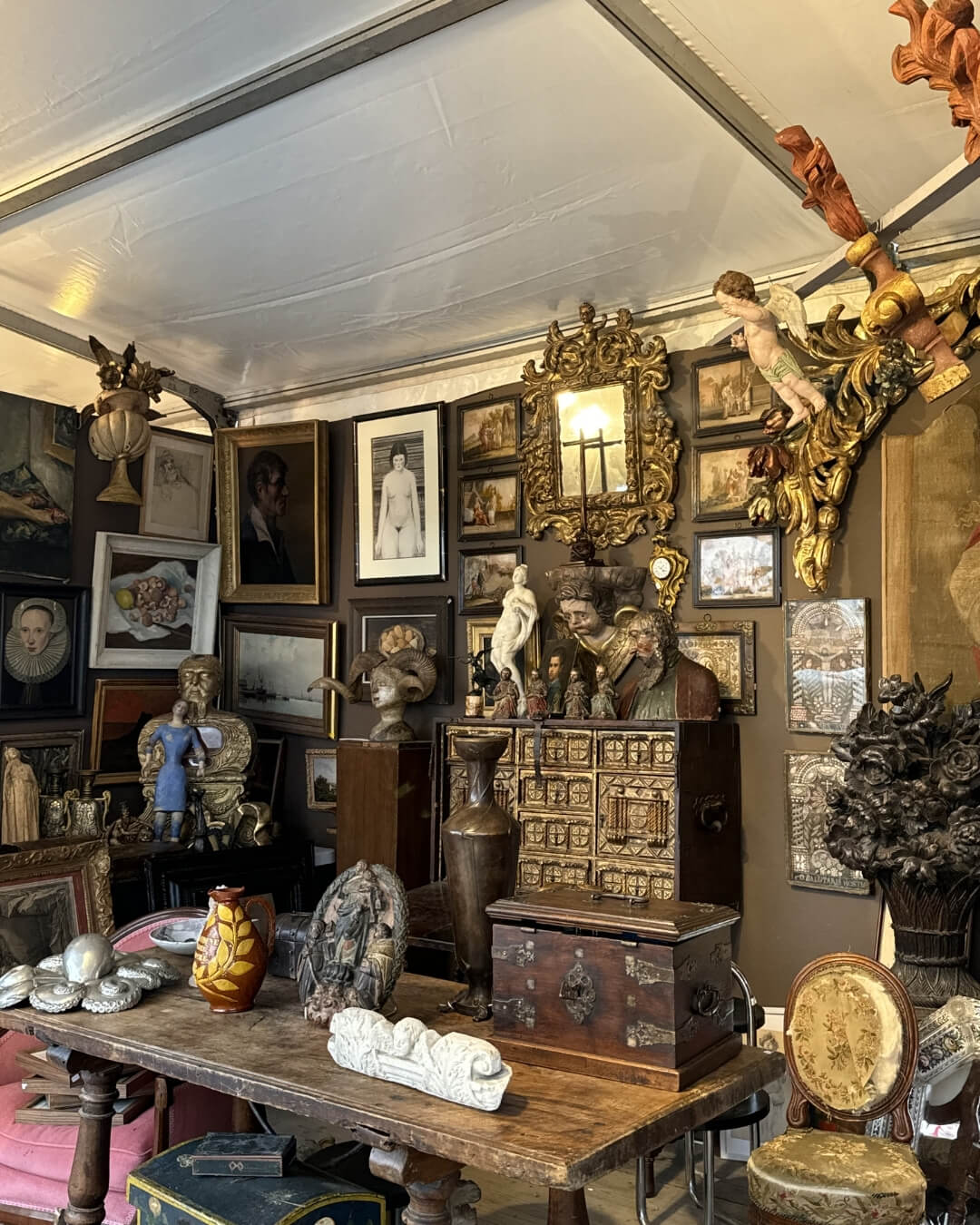
©MFCH
Paris: a completely different antiques world
Paris requires a different approach.
There is an extraordinary amount to buy here, but knowing where to look becomes much more important. One dealer may specialise in 18th-century furniture, another in paintings, another in 20th-century design, silver, jewellery, textiles or ceramics. Paris can be brilliant for serious collectors, but equally good for someone simply looking for one beautiful object to take home.
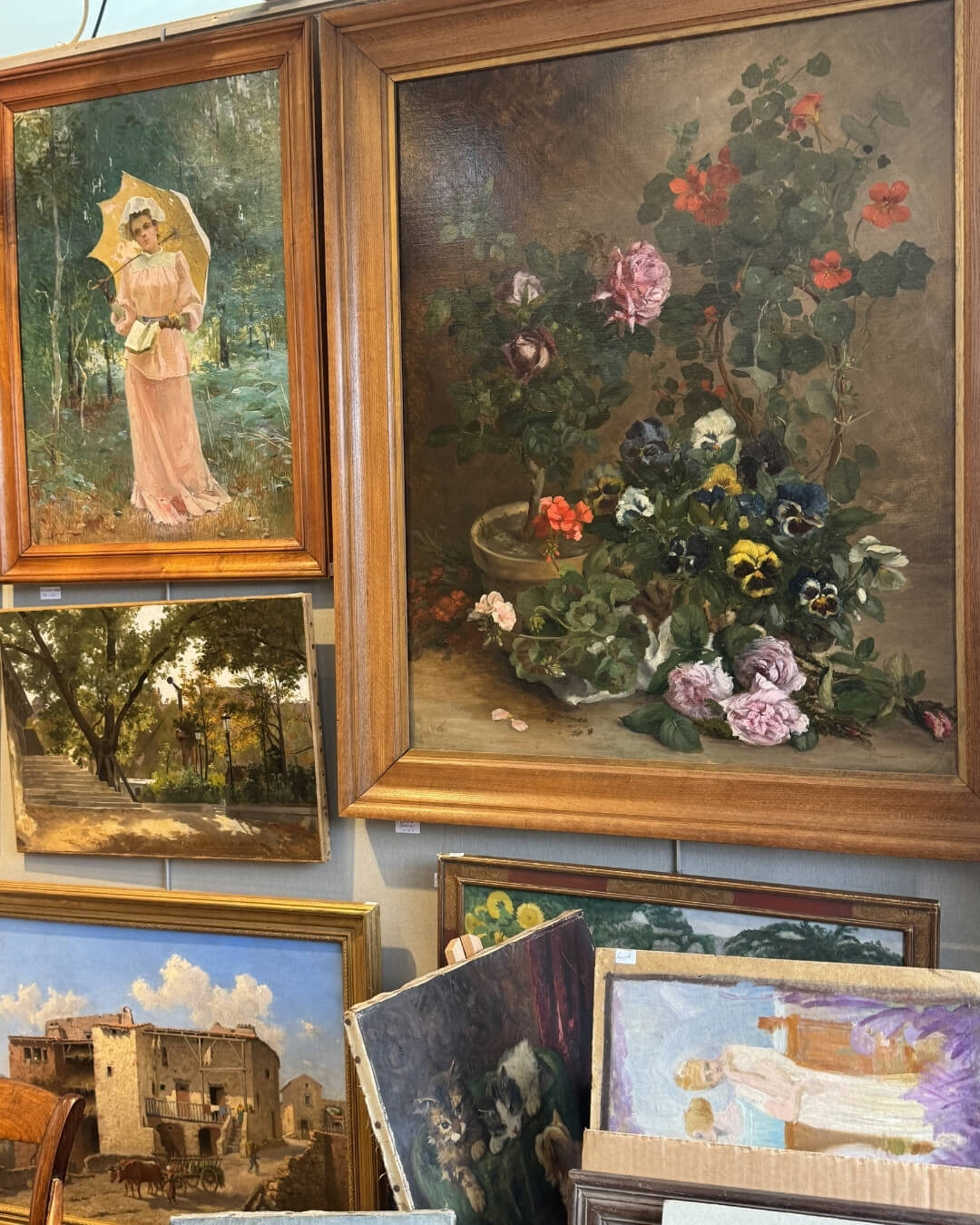
This is where you begin to see more formal decorative arts alongside the everyday pieces found at a brocante: gilded mirrors, paintings and drawings, fine tableware and glass, lighting, furniture, objets d’art and pieces from many different periods.
For our Paris for Antique Lovers journey, from September 30th–October 5th 2027, we spend a full day at Saint-Ouen with Sharon, visiting the vendors she trusts and returns to. We also visit lesser-known Paris addresses and leave the city for a day of château visiting and antique shopping in the countryside.
And then there is Chatou.
The timing of our Paris journey allows us to visit the Chatou Fair, and this is a very different experience again.
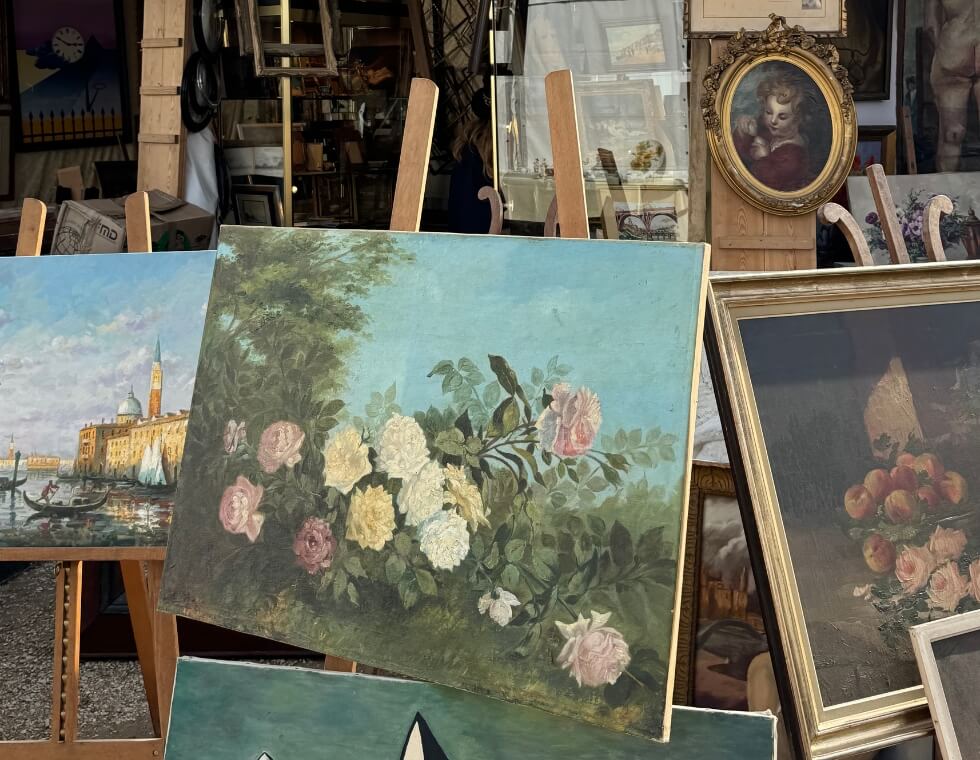
Rather than walking between permanent shops, you have a huge number of professional dealers gathered together for the fair. Paintings sit beside garden pieces; tables are covered in ceramics, glass and silver; furniture fills entire stands. You need time, comfortable shoes and ideally some idea of what you are looking for, although we know from experience that the object you take home is not necessarily the object you arrived intending to find.
This is where Sharon’s presence becomes particularly helpful. She introduces guests to dealers she has known for years, helps assess pieces and prices and can negotiate in French when necessary. If a guest tells us beforehand that they are looking for something specific, we can also start thinking about which dealers are most likely to be worth visiting.
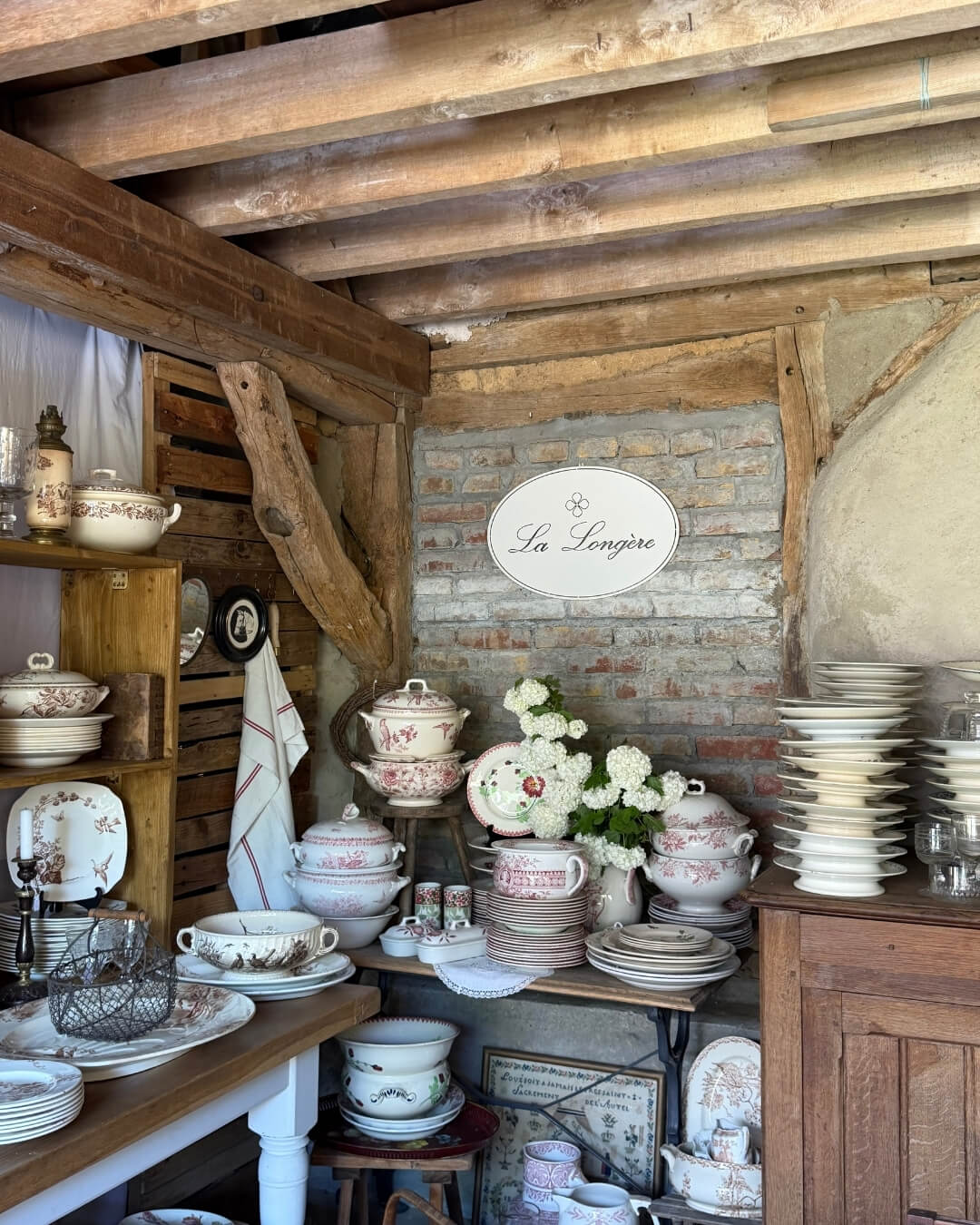
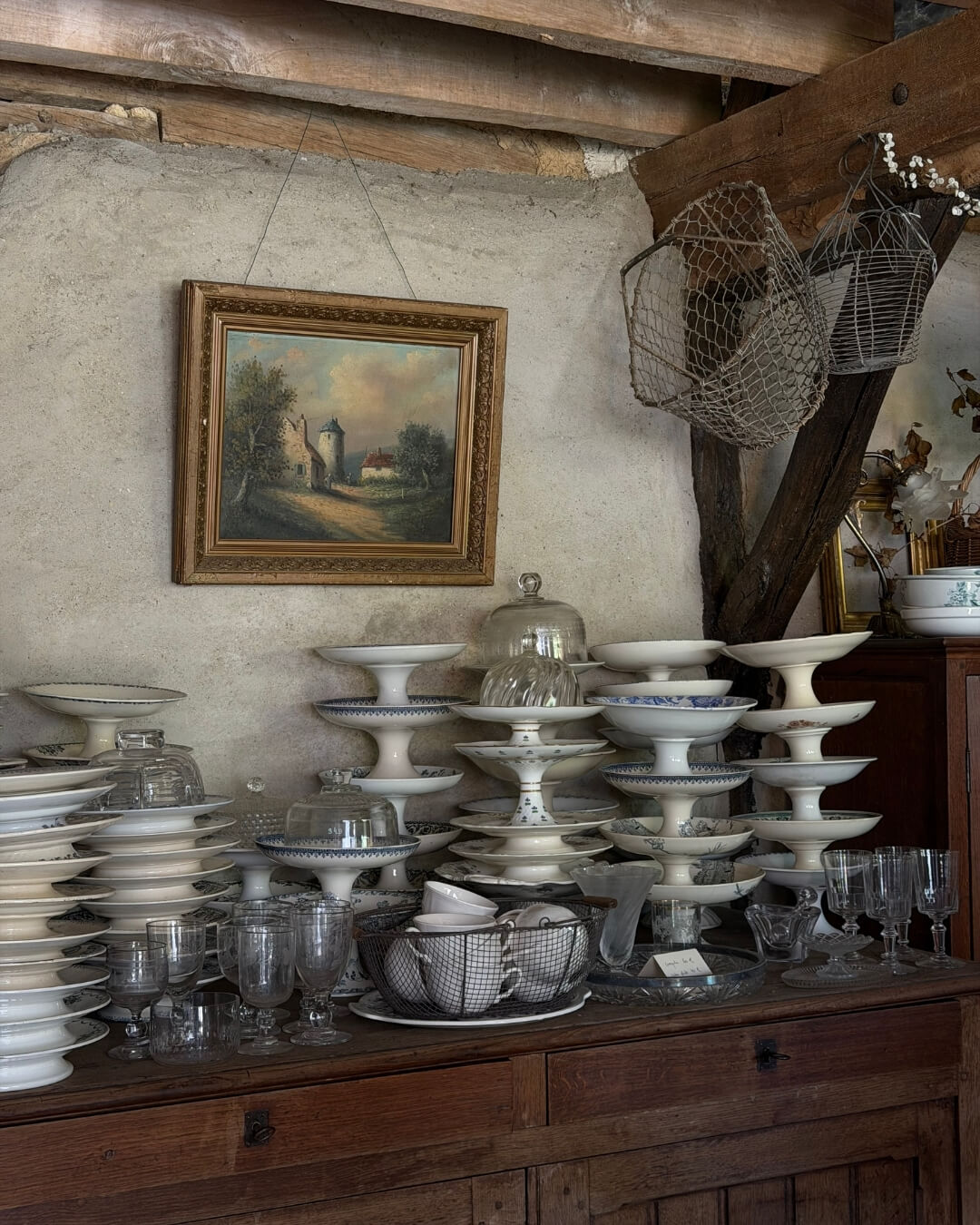
©MFCH
Le Perche: antiques in the Normandy countryside
Our third antiques journey for 2027 takes us somewhere quite different, and much closer to home for MFCH.
Le Perche lies in the countryside west of Paris, around towns and villages including Bellême, Mortagne-au-Perche and La Perrière. It has become a favourite destination for antique lovers, with dealers, brocantes and decoration shops scattered between its villages.
Here, antiquing is closely connected to the houses and landscape around you.
The Perche has its own history of furniture making. Traditional Percheron furniture tends to be relatively restrained in form; local craftspeople historically used fruitwoods in the south of the region and more oak closer to the northern forests. The region also has a long ceramics tradition, producing glazed earthenware, pottery and faience, while La Perrière became particularly known for its intricate knotted and embroidered net lace.
Those histories make this an interesting region in which to learn about vernacular French antiques, pieces created for local homes and everyday use rather than fashionable Parisian interiors.
At the brocantes, antique shops and dealers around Le Perche, you can find old country furniture, ceramics, books and folk objects alongside much later pieces. The area’s antiques scene isn’t frozen in the 18th or 19th century either: dealers around Mortagne and Bellême also specialise in 20th-century ceramics, Scandinavian and American furniture, vintage objects and more contemporary decorative pieces.
Our new Antiques, Artists & Artisans of Normandy journey, from October 8th–13th 2027, goes a little further than our other two antique tours.
It will be hosted by Franck Schmitt, photographer, journalist and author, whose work has long centred around interiors, gardens, food and French art de vivre.
Franck knows this part of France particularly well, and instead of concentrating solely on buying, the week will also take us inside artists’ studios and workshops to meet people who are making and restoring things here today.
©MFCH
Brocante, antiquaire or marché aux puces?
If you are planning your own antique shopping in France, it helps to understand a few of the words you’ll see along the way.
A brocante generally deals in second-hand and older decorative objects and furniture, and the word is also used for the markets where these pieces are sold. A vide-grenier, literally “empty attic”, is closer to a community yard sale, where private individuals clear out their homes. The finds can be wonderful, but there is much more rummaging involved.
An antiquaire, meanwhile, is a professional antique dealer and will generally sell more carefully selected and researched pieces. And marché aux puces, or flea market, is the broader term you’ll encounter at places such as the Paris flea markets.
None is inherently “better” than another. It depends entirely on what you enjoy looking for.
If you want a museum-quality period piece, you probably don’t want to spend six hours searching a village vide-grenier. If you want an old café bowl, a stack of linen napkins or a slightly battered painting simply because you love it, that same vide-grenier may be the best morning of your trip.
MFCH Travel Experiences
A curated collection of small group tours across France, blending culture, gardens, antiques, history, and art de vivre.
Every Tuesday
Get the latest updates on French travel, culture, and more delivered right to your inbox.
Continue Reading

Join The MFCH Community