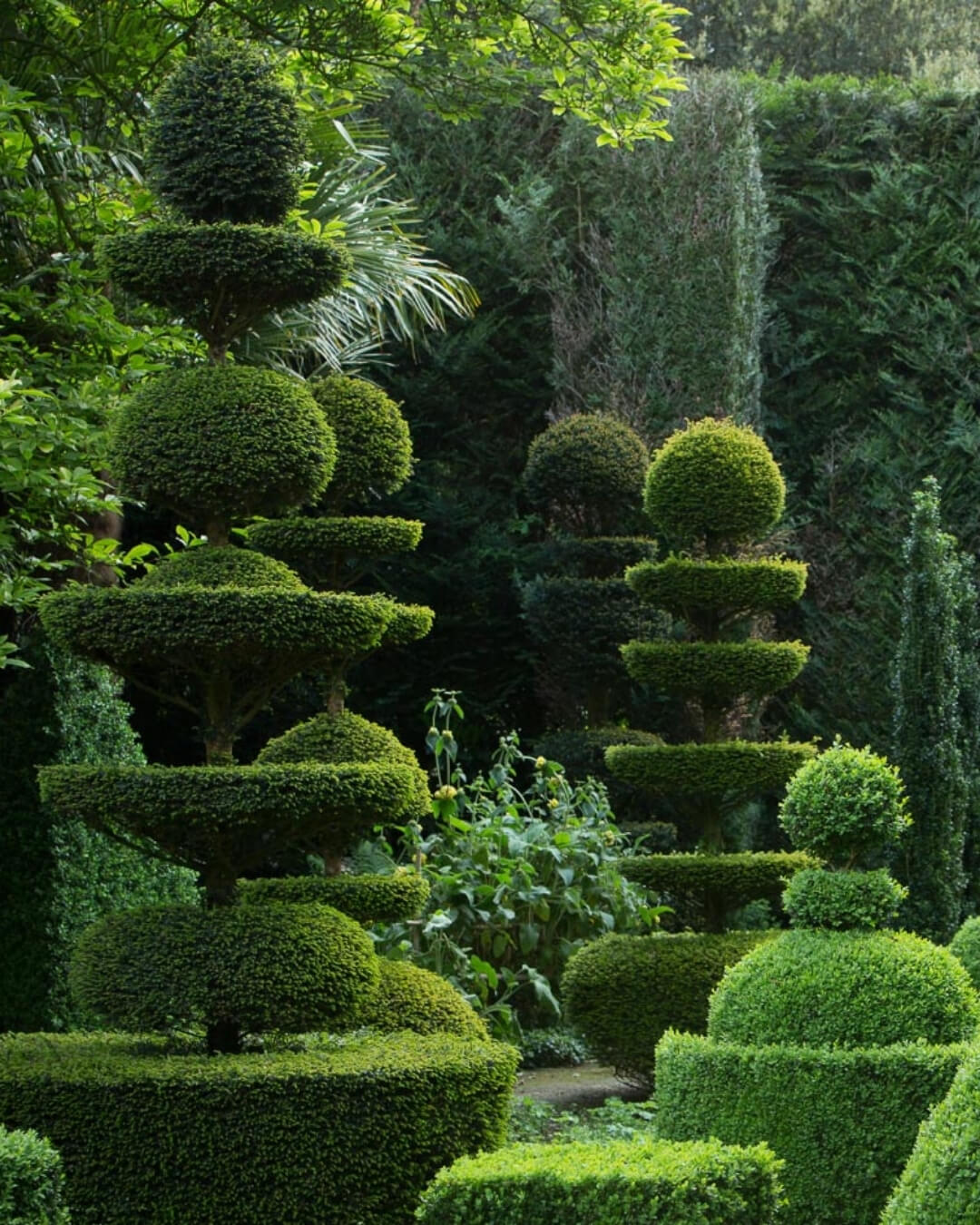
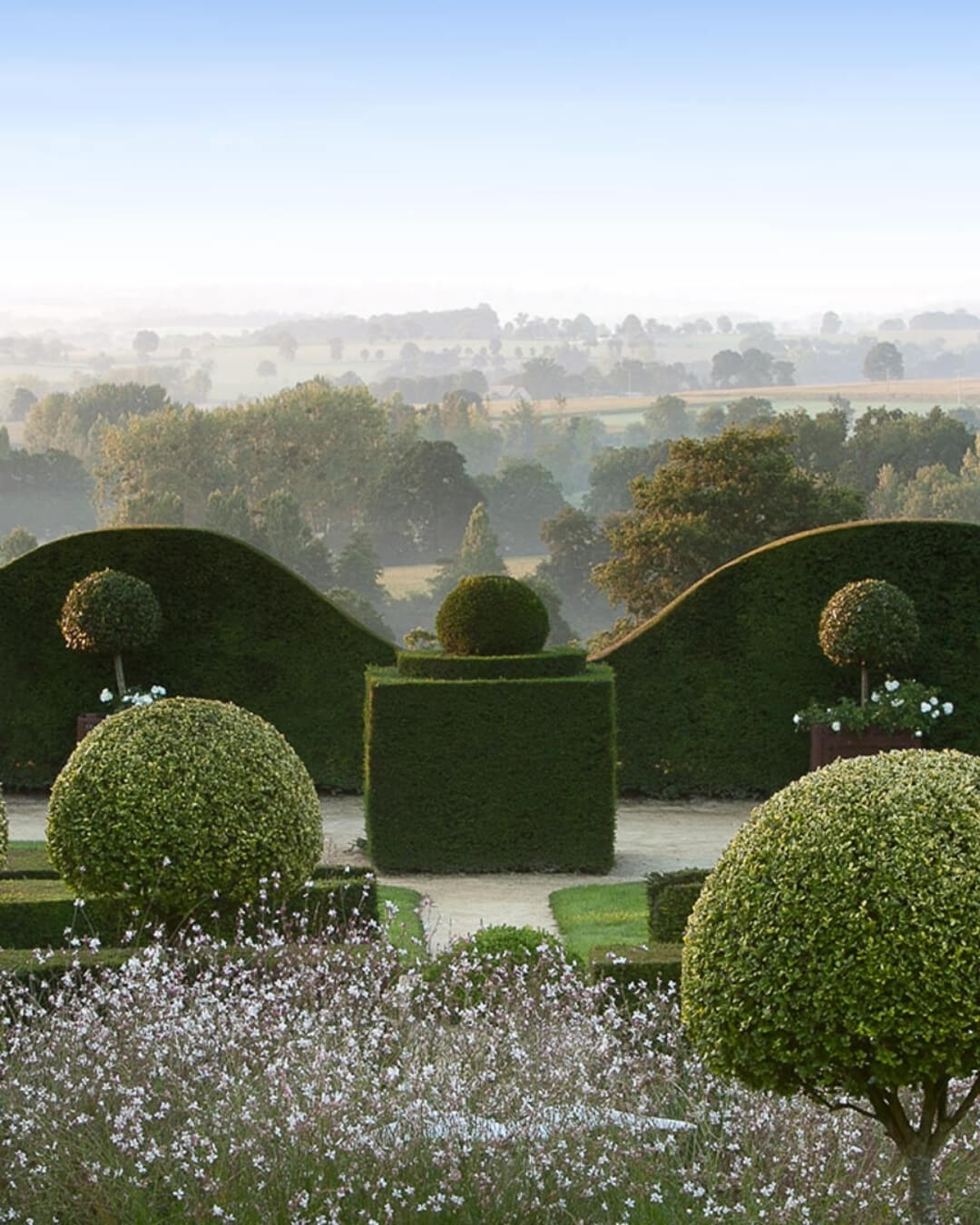
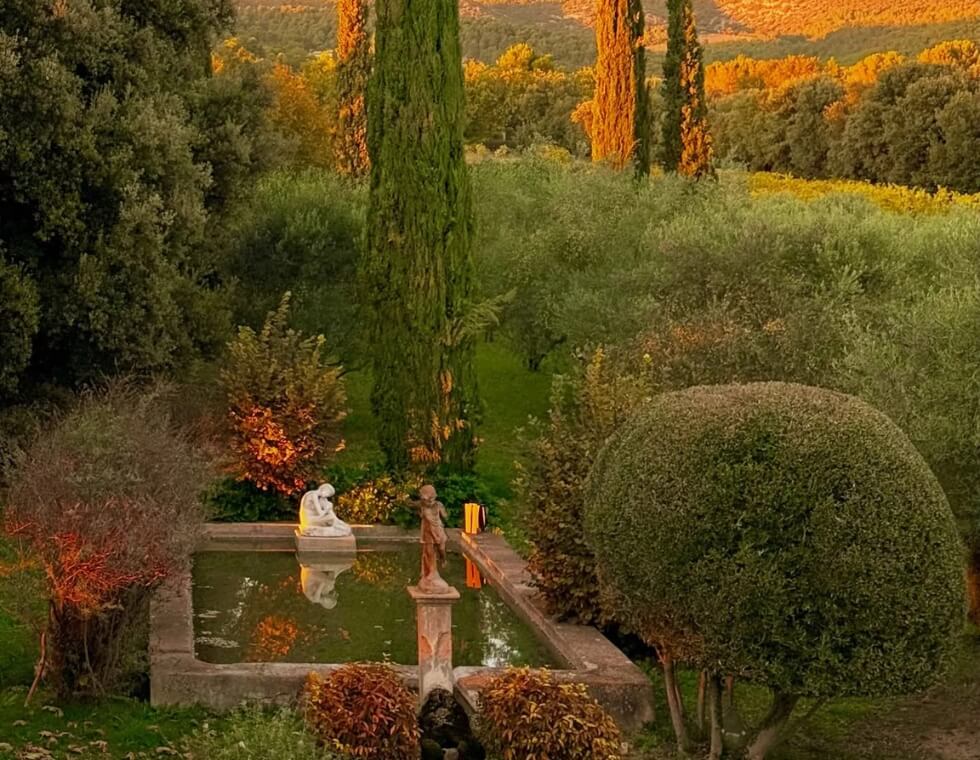
From historic boxwood parterres to poetic topiary landscapes, discover the most beautiful gardens for topiary lovers in France.
In France, the art of topiary is more than decoration; it’s part of our garden heritage. From medieval cloisters to grand classical estates, boxwood, yew and hornbeam have been shaped, trimmed and reimagined for centuries. Each garden tells a different story, but all share the same devotion to time, precision and beauty.
Over the years, through our travels and tours, we’ve had the chance to visit many of France’s most remarkable topiary gardens. Some are famous, others more confidential, but all left a lasting impression. These are the gardens we often find ourselves talking about, and the ones we always recommend to friends who love sculpted landscapes as much as we do.
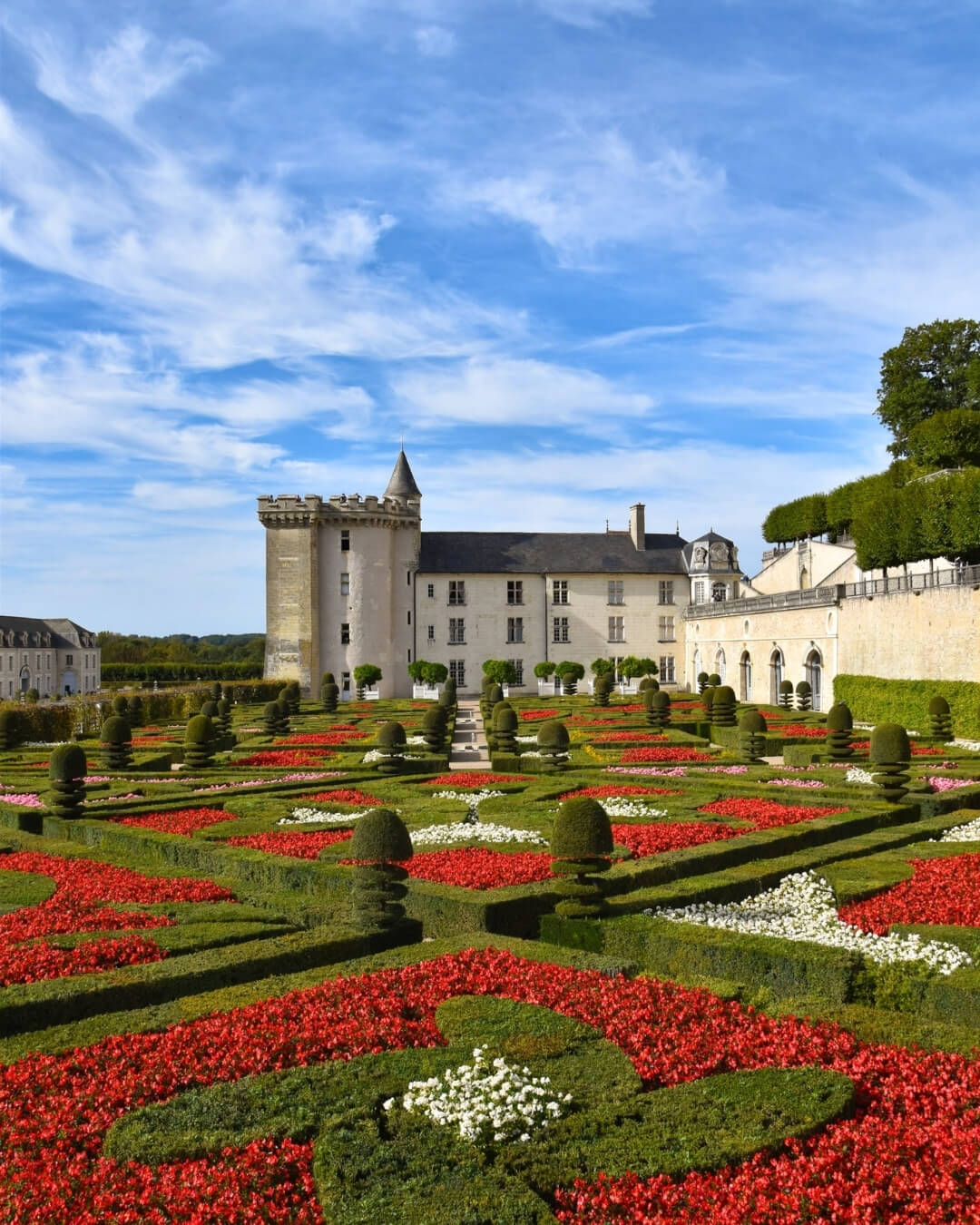
Villandry is essential for anyone interested in structured gardens.
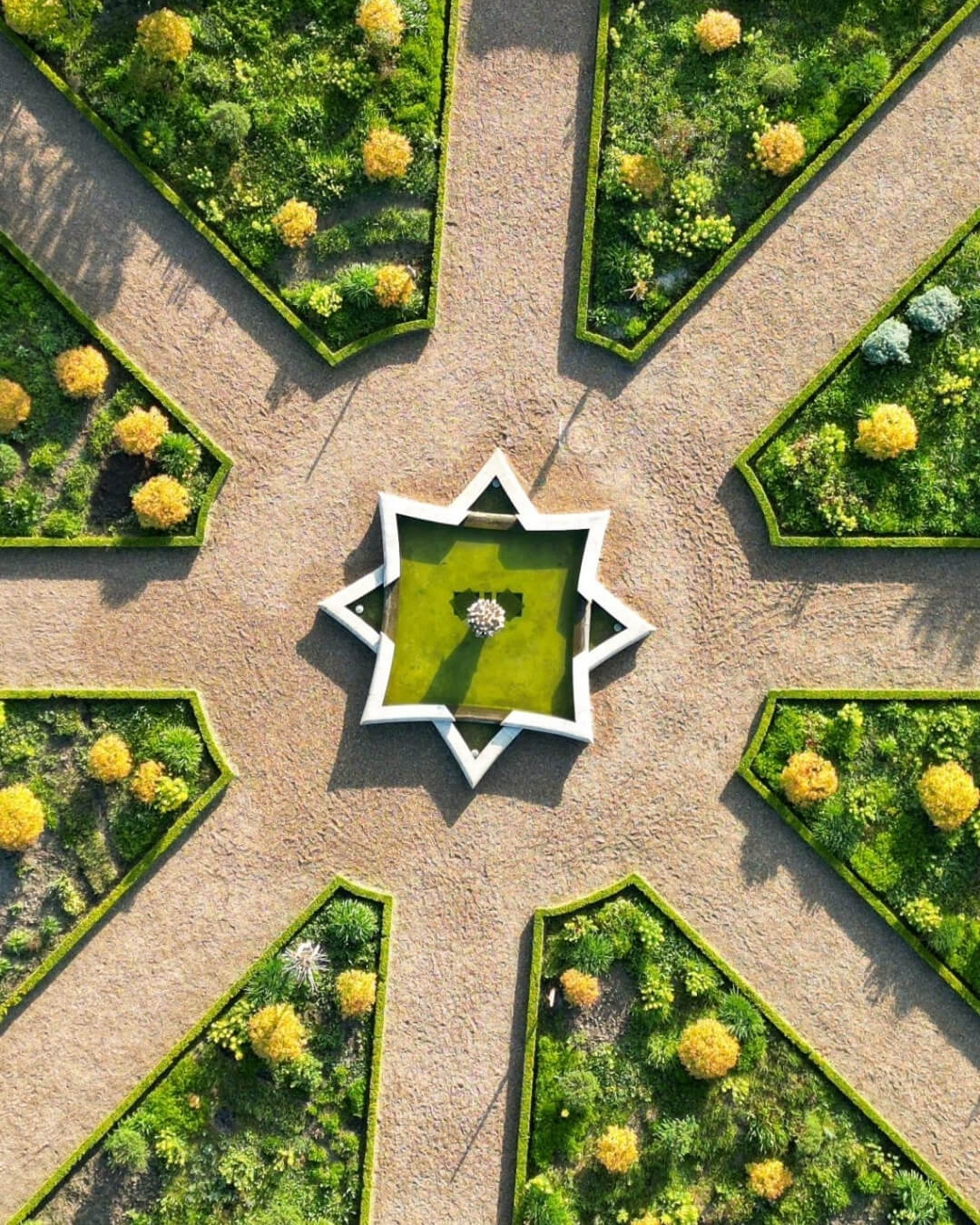
Walking through its gardens is like reading a history book of French garden design, from medieval influences to Renaissance and classical styles. Redesigned in the early 20th century by Joachim Carvallo, the gardens are organised into seven distinct spaces where boxwood plays a central role.
What we love most about Villandry is how alive it feels. The gardens change constantly with the seasons, the light, and the work of the gardeners. It’s also one of the rare major gardens in France that remains open all year, which makes it particularly rewarding to visit more than once.
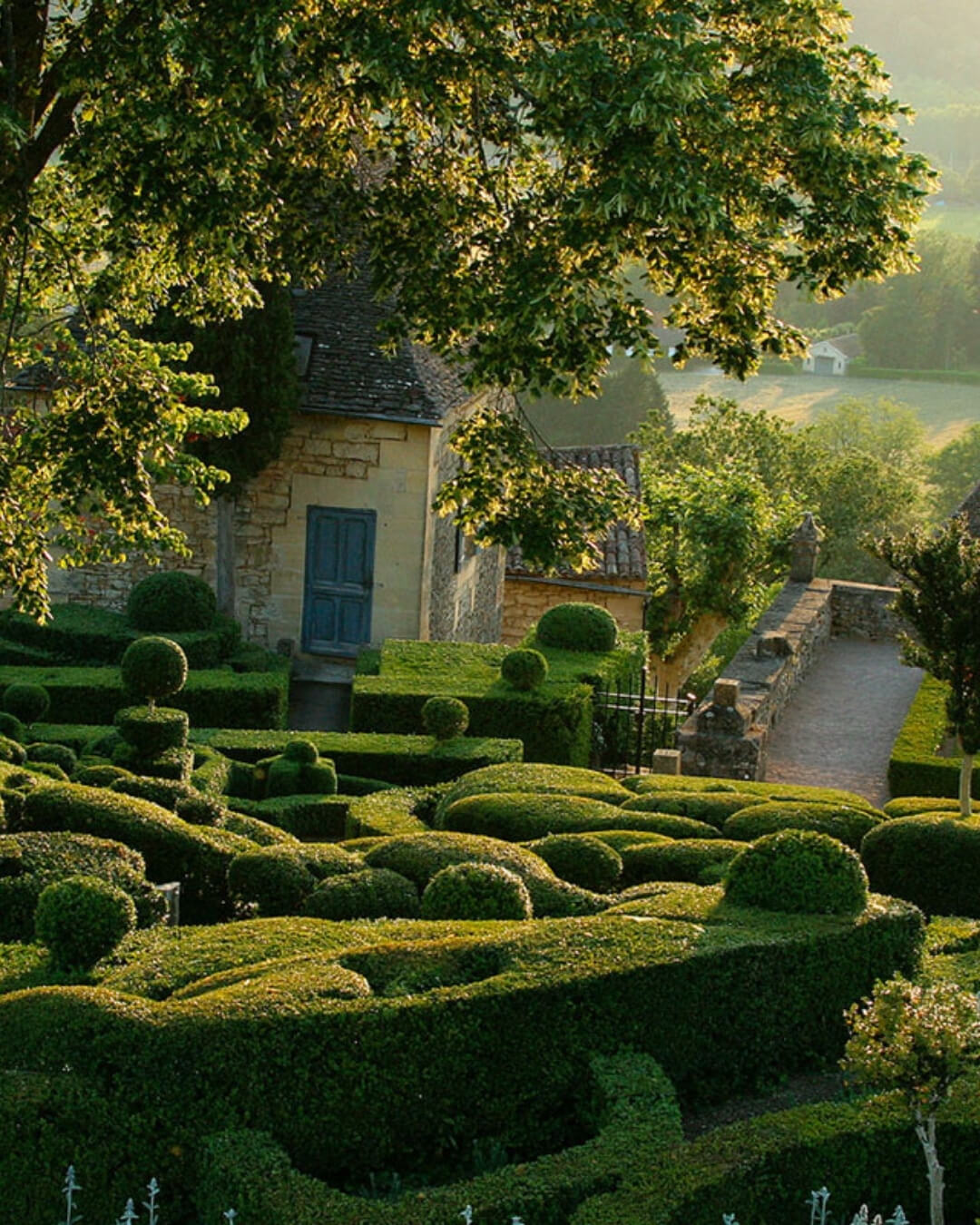
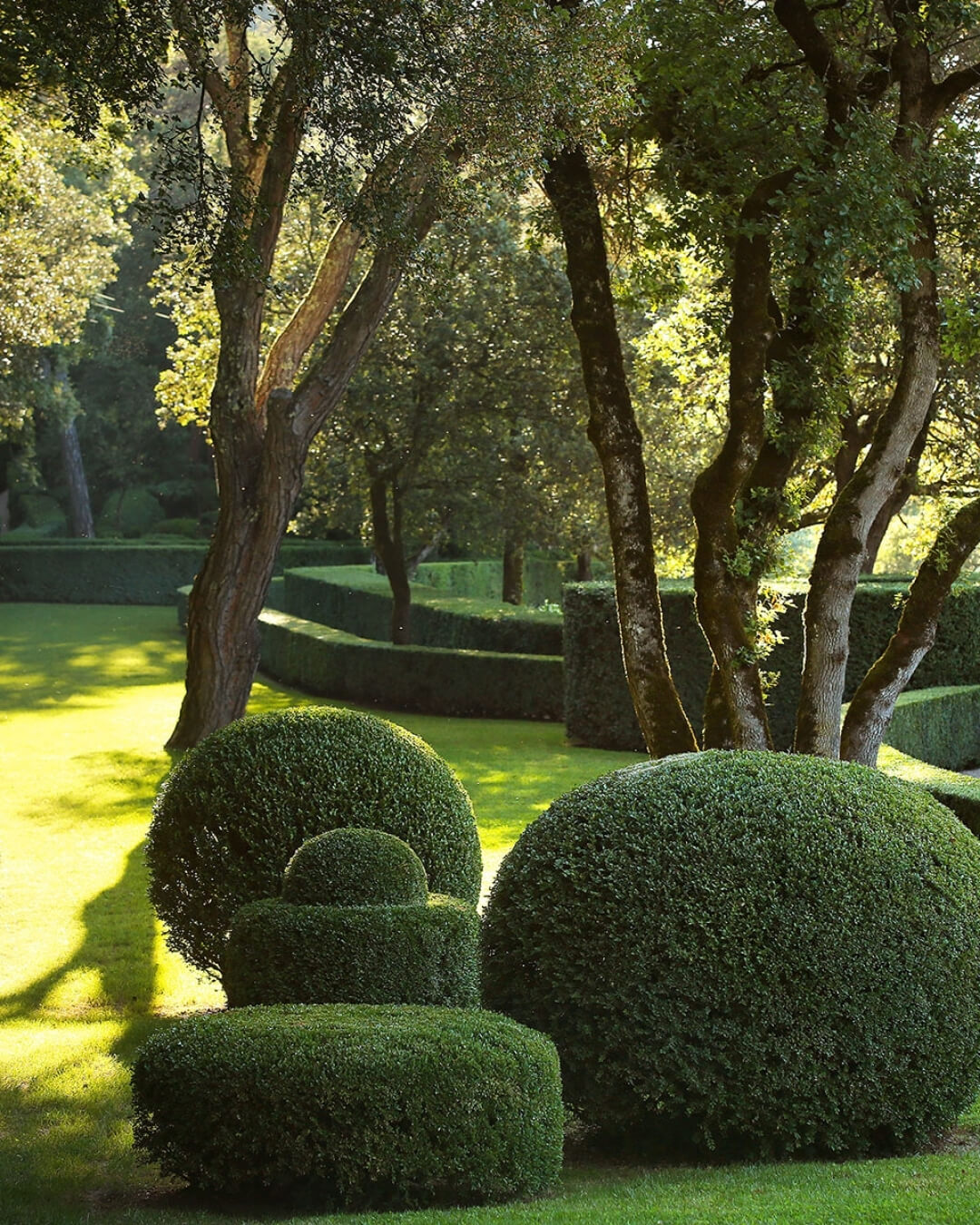
Marqueyssac is one of the most impressive topiary gardens in France.
More than 150,000 boxwood shrubs are hand-pruned and line kilometres of winding paths. The rounded shapes give the garden a soft, flowing feel, despite its scale.
What makes Marqueyssac special is its relationship with the landscape. The garden sits high above the Dordogne Valley, and the viewpoints open onto castles, villages, and limestone cliffs. The topiary never feels isolated, it’s part of a much larger scene.
The Jardins de la Ballue are playful, intelligent, and full of surprises.
Here, topiary is used almost like a language. Green rooms, hedged corridors, and carefully planned perspectives create a sense of discovery as you move through the garden. Shapes are precise but never dull, and contemporary sculptures add an extra layer of rhythm and contrast.
It’s a garden that rewards curiosity and shows how creative and expressive topiary can be.
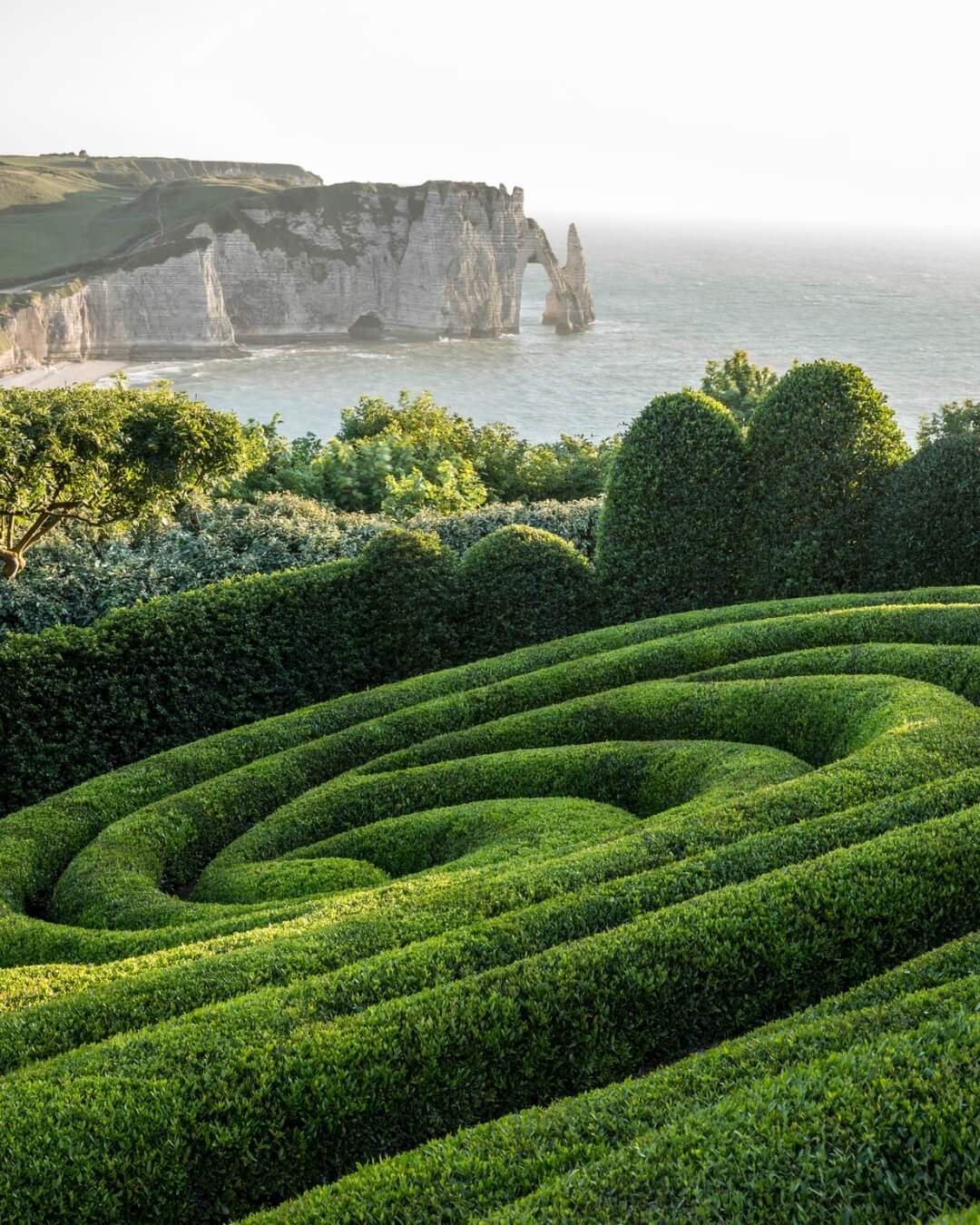
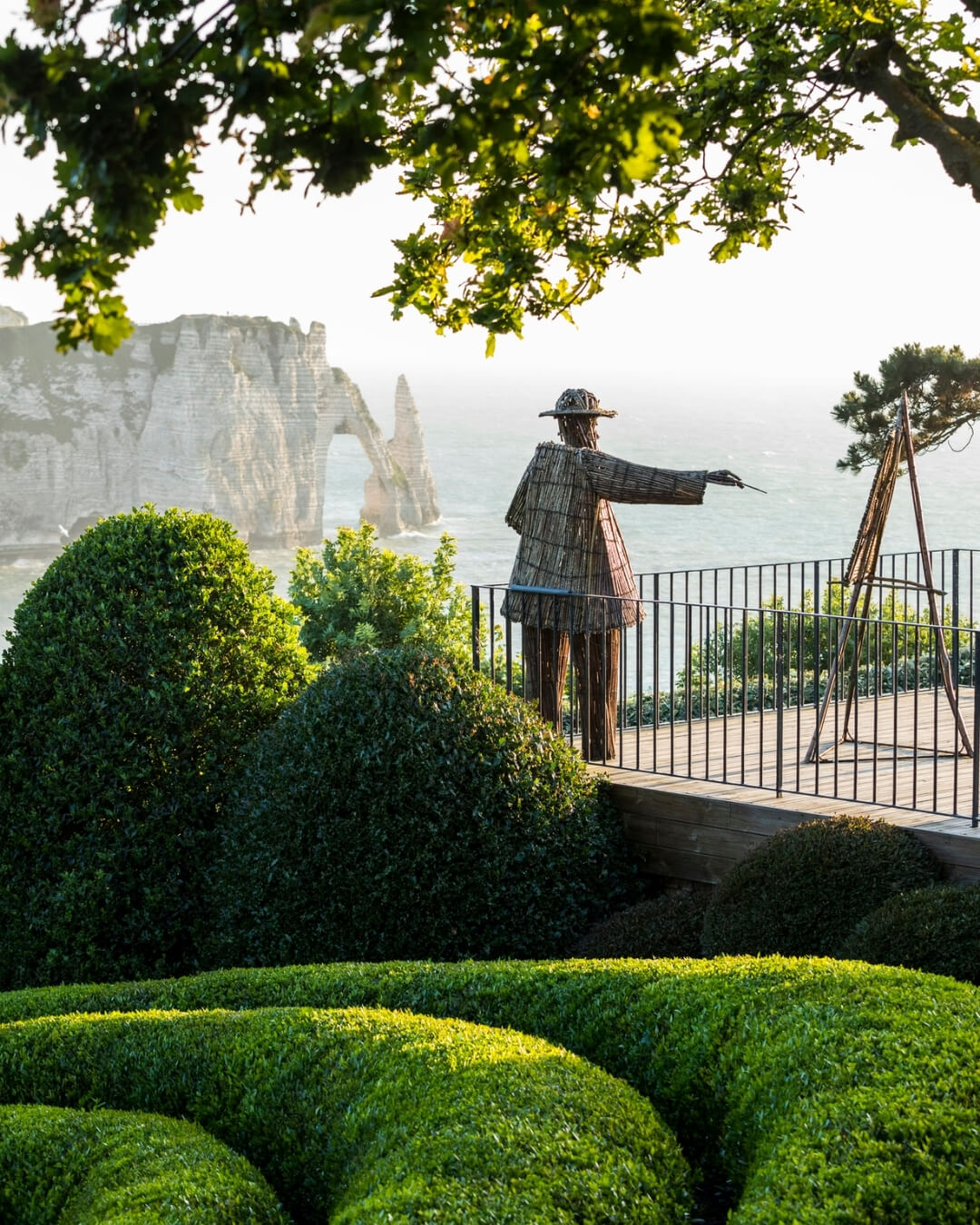
Set high above the cliffs, the Jardins d’Étretat offer one of the most dramatic garden settings in France.
Landscape architect Alexandre Grivko uses topiary to echo the surrounding coastline, shapes inspired by waves, spirals, arches, and cliffs appear throughout the garden. Everything is carefully maintained, yet nothing feels overly formal.
Art installations are woven into the landscape, and the views constantly change with the light and weather. We’ll be visiting the Jardins d’Étretat during our Normandy in Bloom tour next year, and it’s a stop we’re particularly looking forward to.
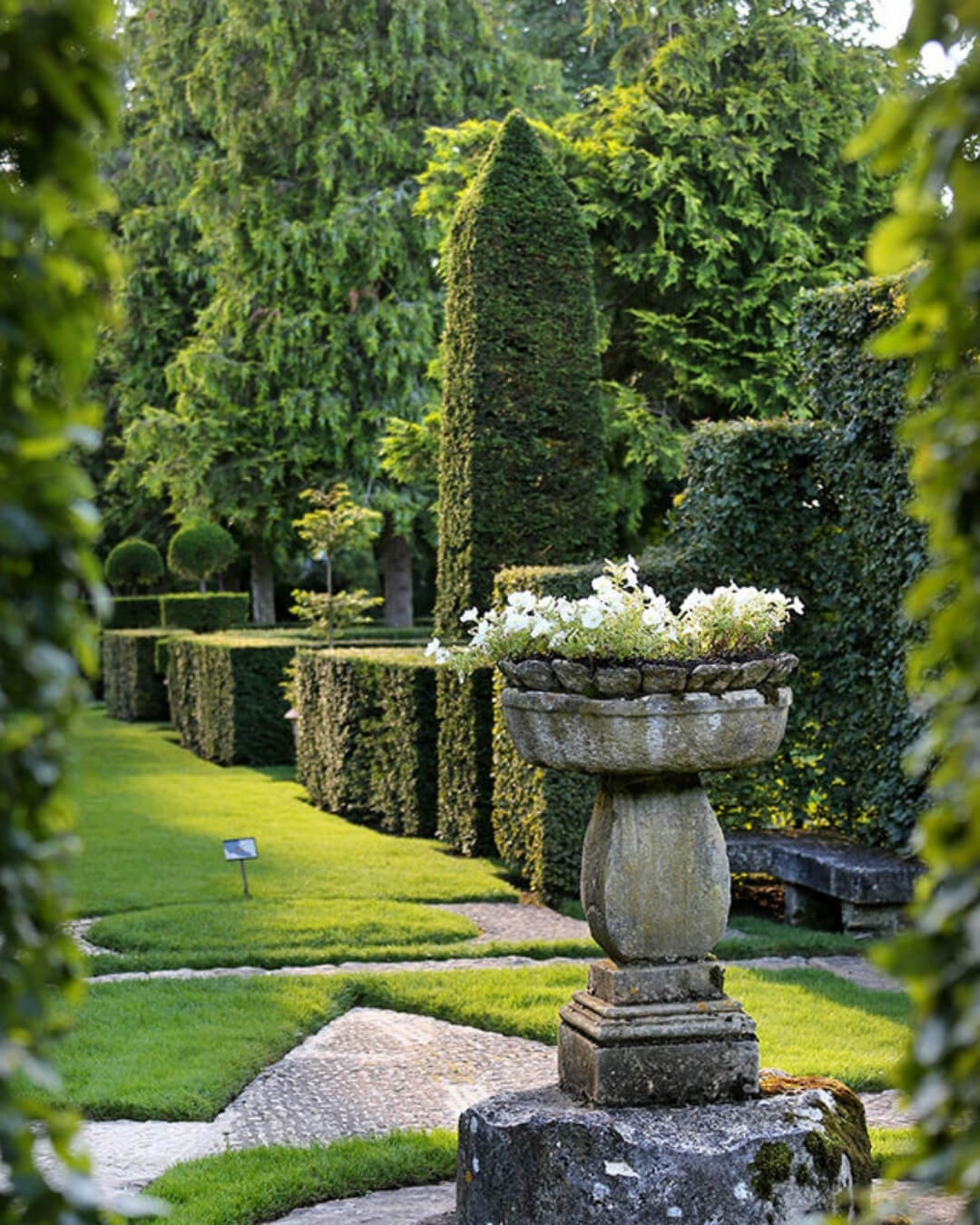
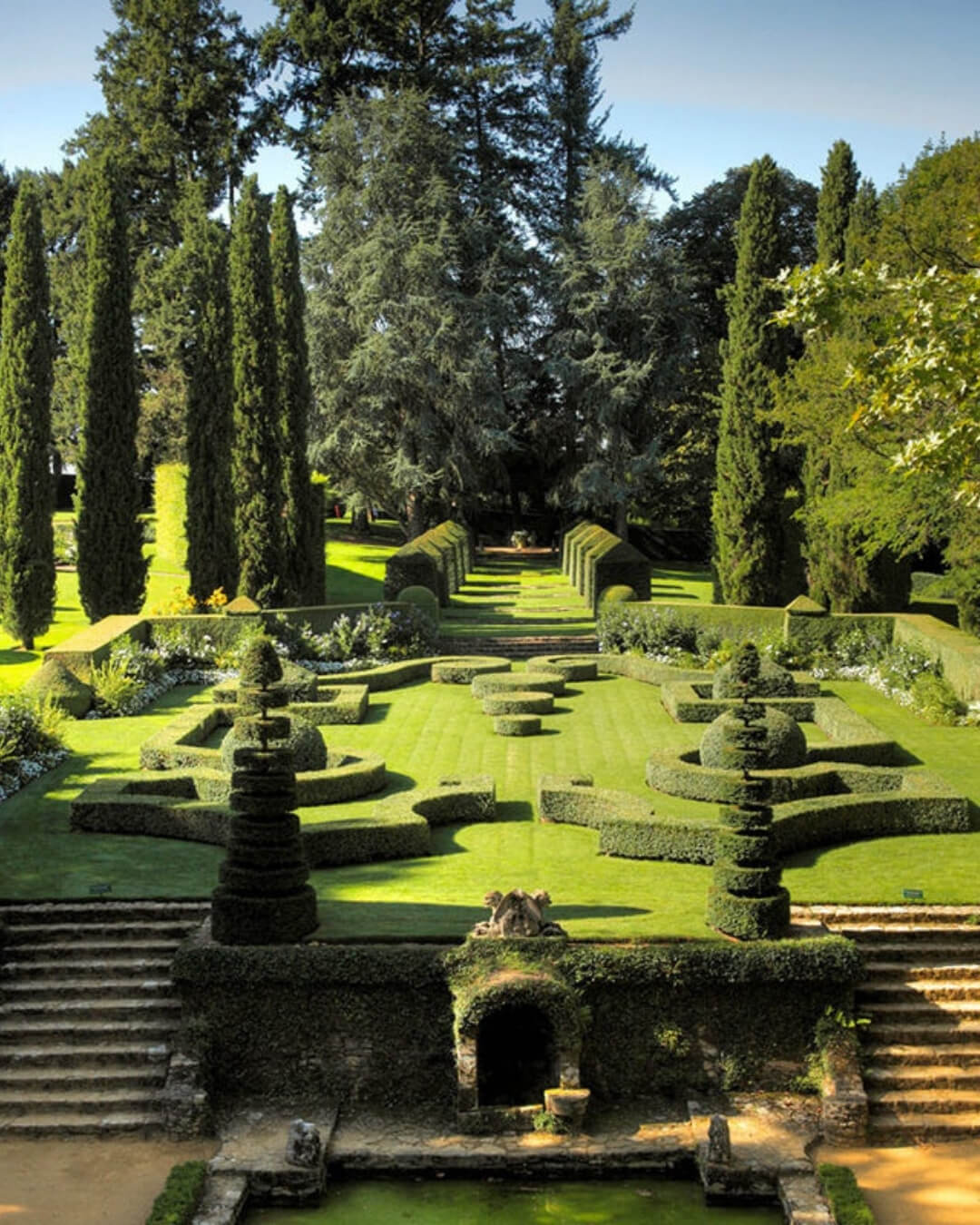
Eyrignac is a true reference when it comes to French topiary.
Surrounding a 17th-century manor house, more than 300 sculpted forms; boxwood, yew, hornbeam, and ivy, are shaped entirely by hand. The designs are classical: cones, spheres, arches, and perfectly drawn hedges.
Despite the precision, the garden feels welcoming and calm. Wide paths, open views, and a strong sense of balance make it a place where you naturally slow down.
The Prieuré de Vauboin is a garden that immediately invites calm.
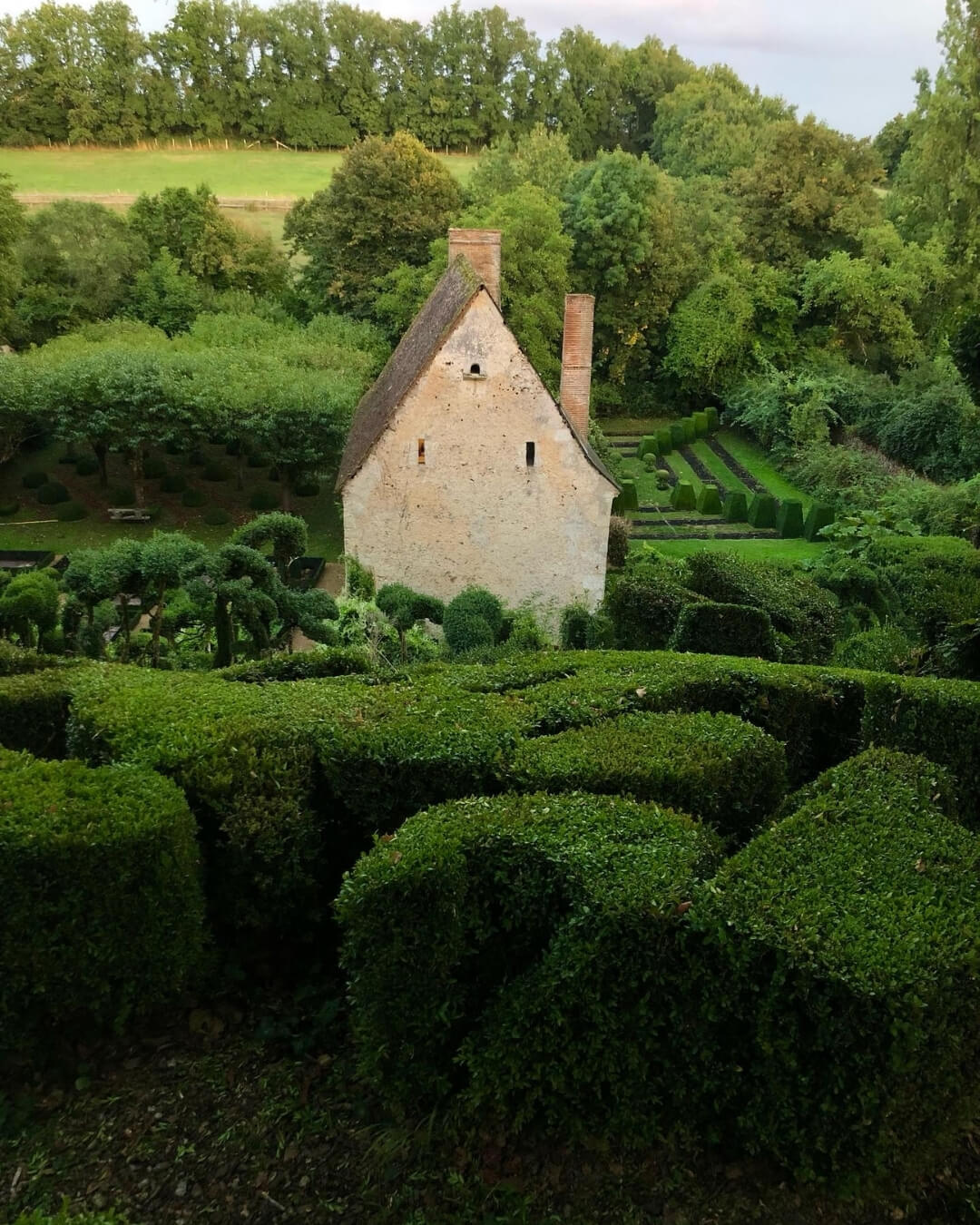
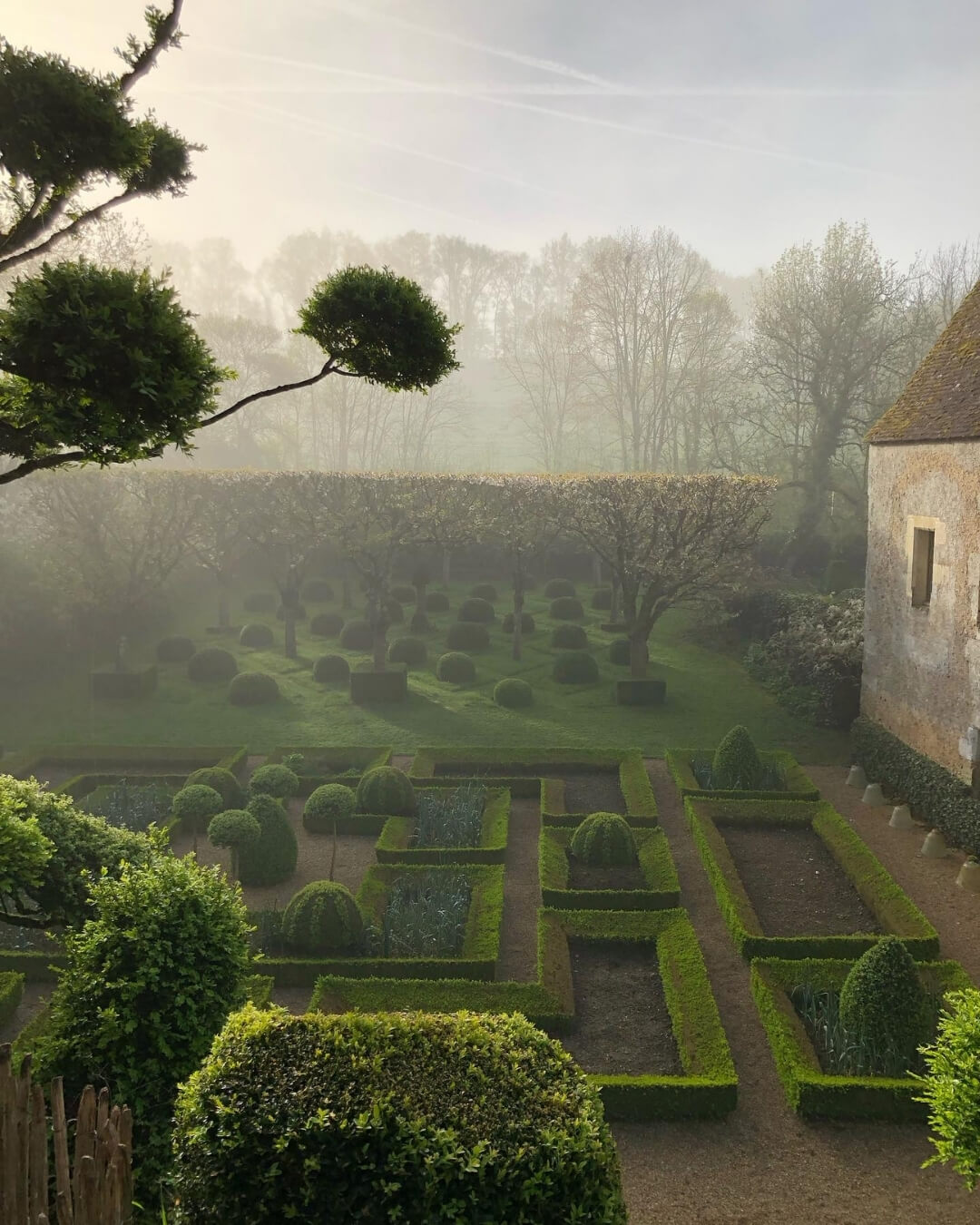
Set around a 14th-century house, it unfolds in two very different parts. Closest to the house is a medieval hortus conclusus, an enclosed garden structured by evergreen boxwood, running water, and simple geometry. It’s quiet, balanced, and deeply peaceful.
Cross the small stream, and the garden changes entirely. A centuries-old boxwood grove climbs the hillside, sculpted by hand over time. The path winds upward, the shapes shift with the light, and nothing feels fixed. It’s a garden that feels alive and constantly in motion.
Every Tuesday
Postcards From France
Get the latest updates on French travel, culture, and more delivered right to your inbox.
Don’t be alarmed, we do not use or store your information. We are a French site and this is simply a regulation for the European Union to let you know that this website uses cookies to improve your user experience. By using our website you consent to all cookies in accordance with our Cookie Policy. Read More