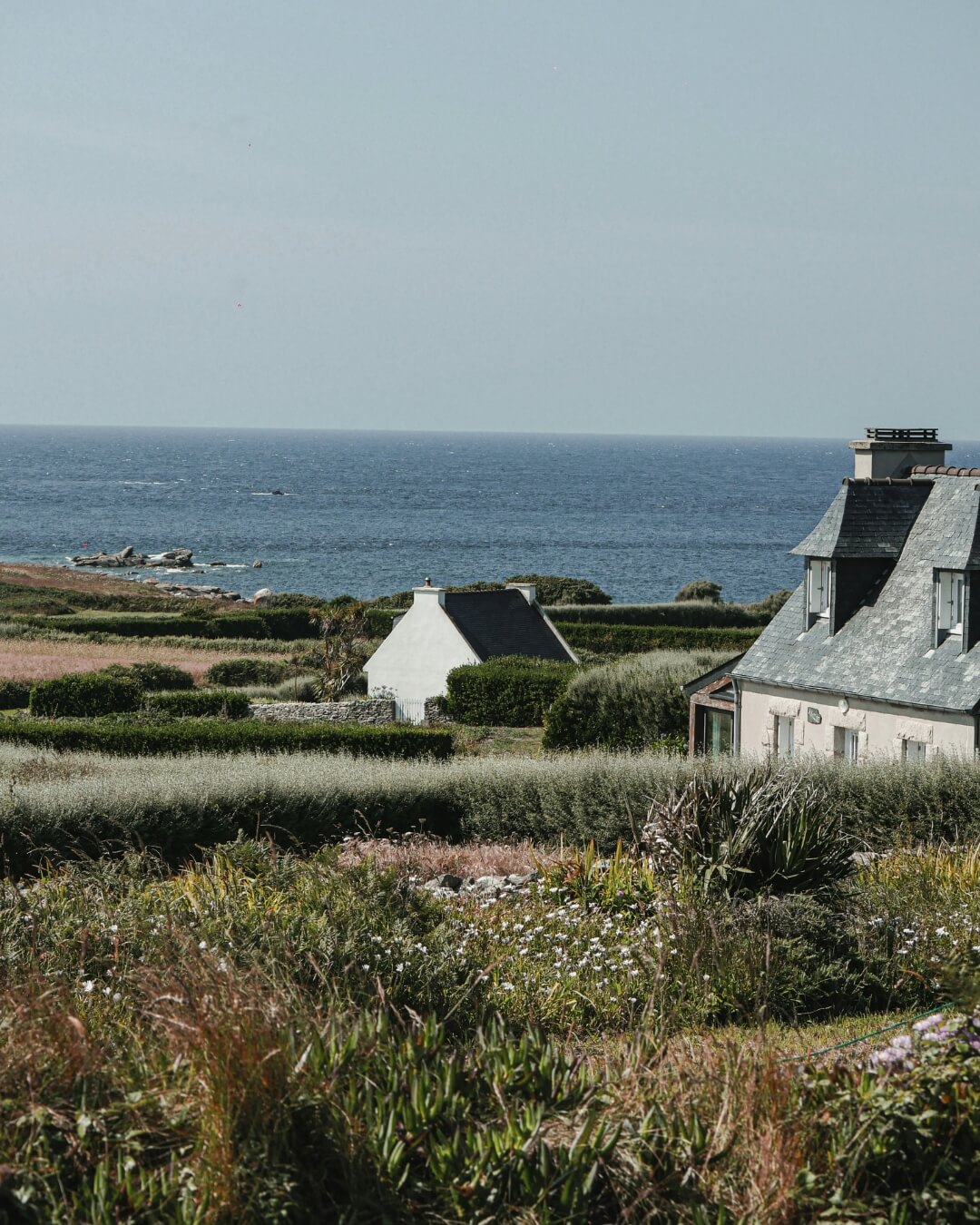
Perched above the Côte d’Azur, surrounded by hills planted with flowers, Grasse is a town where scent, history, and craftsmanship have been intertwined for centuries.
The first time you arrive in Grasse, it doesn’t announce itself loudly. There’s no coastline here, no grand boulevard. Instead, the town rises quietly above the Riviera, its narrow streets twisting uphill, its faded façades holding stories you don’t immediately see.
And yet, Grasse is known all over the world, as the perfume capital.
This reputation didn’t appear overnight. Long before perfume bottles and luxury houses, Grasse was a town of tanners. Leather gloves were produced here in the Middle Ages, and to mask the strong smells of treated hides, artisans began scenting them with local flowers. What started as a practical solution slowly evolved into something far more refined. By the 17th century, Grasse had found its calling.
What makes Grasse unique is not just the perfume houses, but the land itself. The surrounding hills offer a rare combination of altitude, sunlight, and mild climate, perfect for growing fragrant plants.
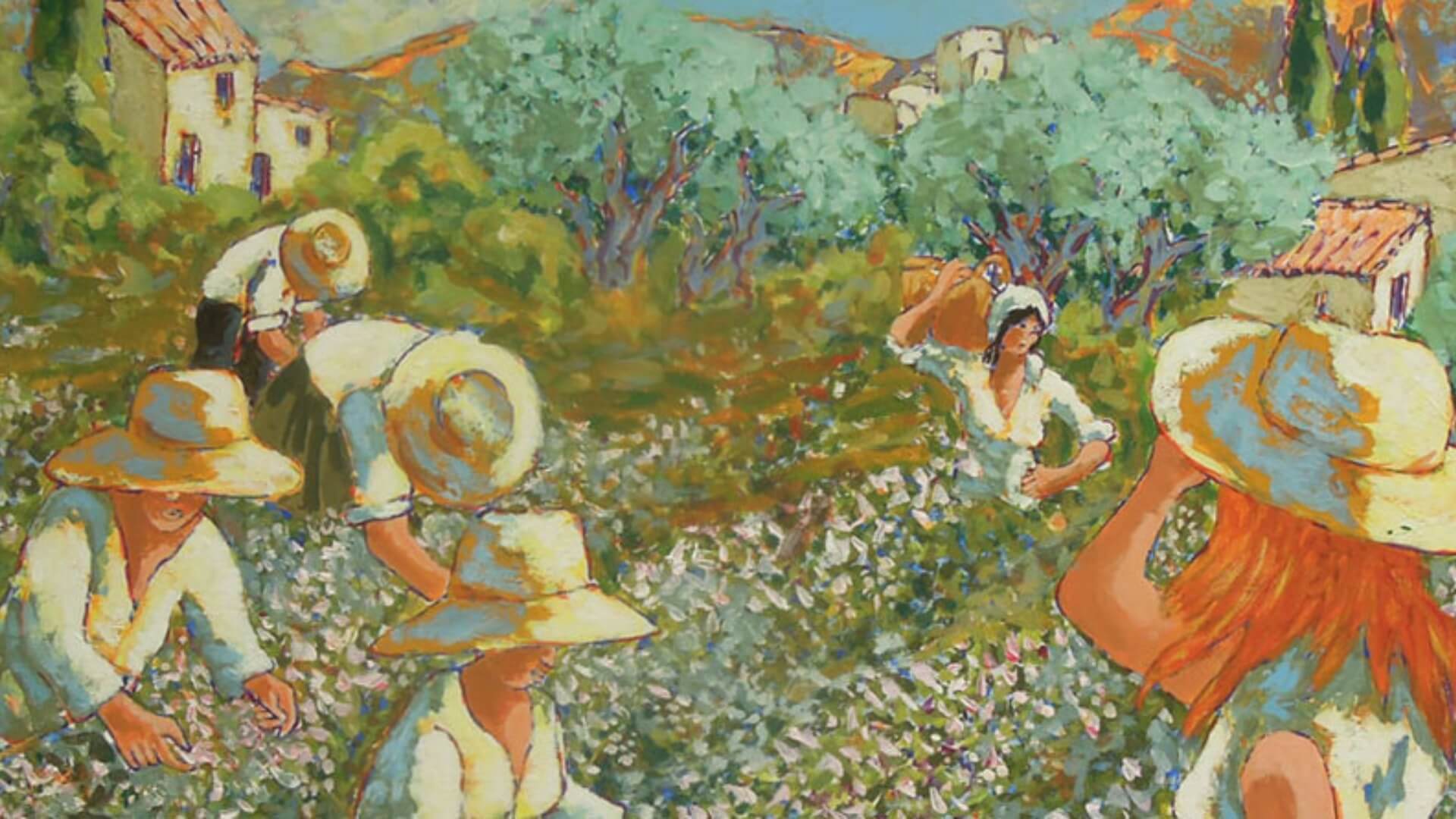
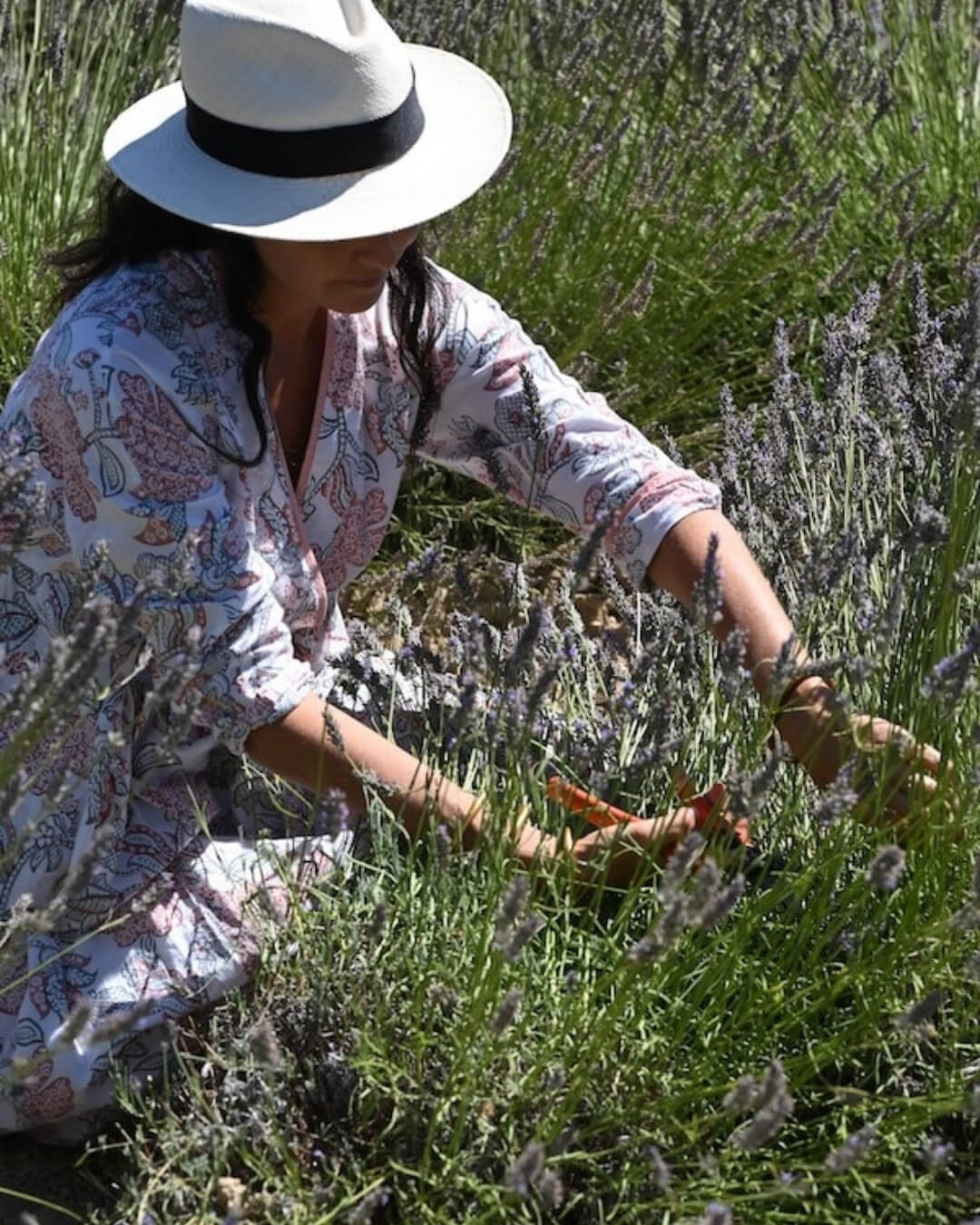
For centuries, fields around Grasse were planted with centifolia roses, jasmine, tuberose, orange blossom, and violet. These flowers were harvested by hand, often at dawn, and processed locally. The centifolia rose, still grown today, became one of the most prized ingredients in perfumery, valued for its depth and softness.
Walking through the countryside around Grasse, especially in spring and early summer, you understand why perfume took root here. The air feels different. Softer. Almost layered.
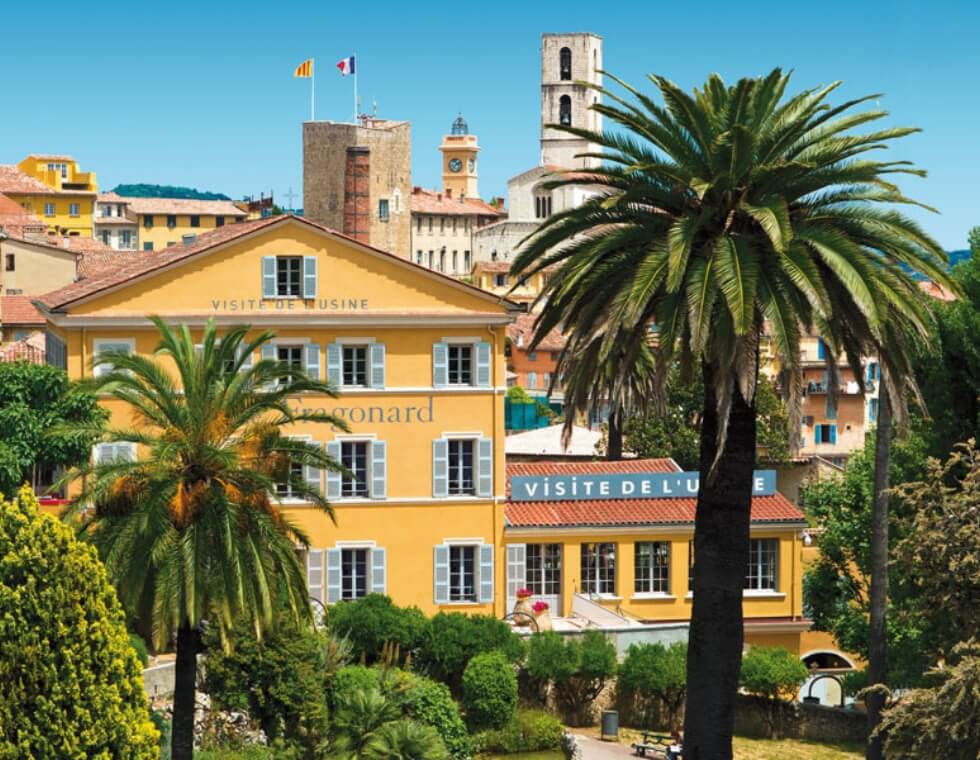
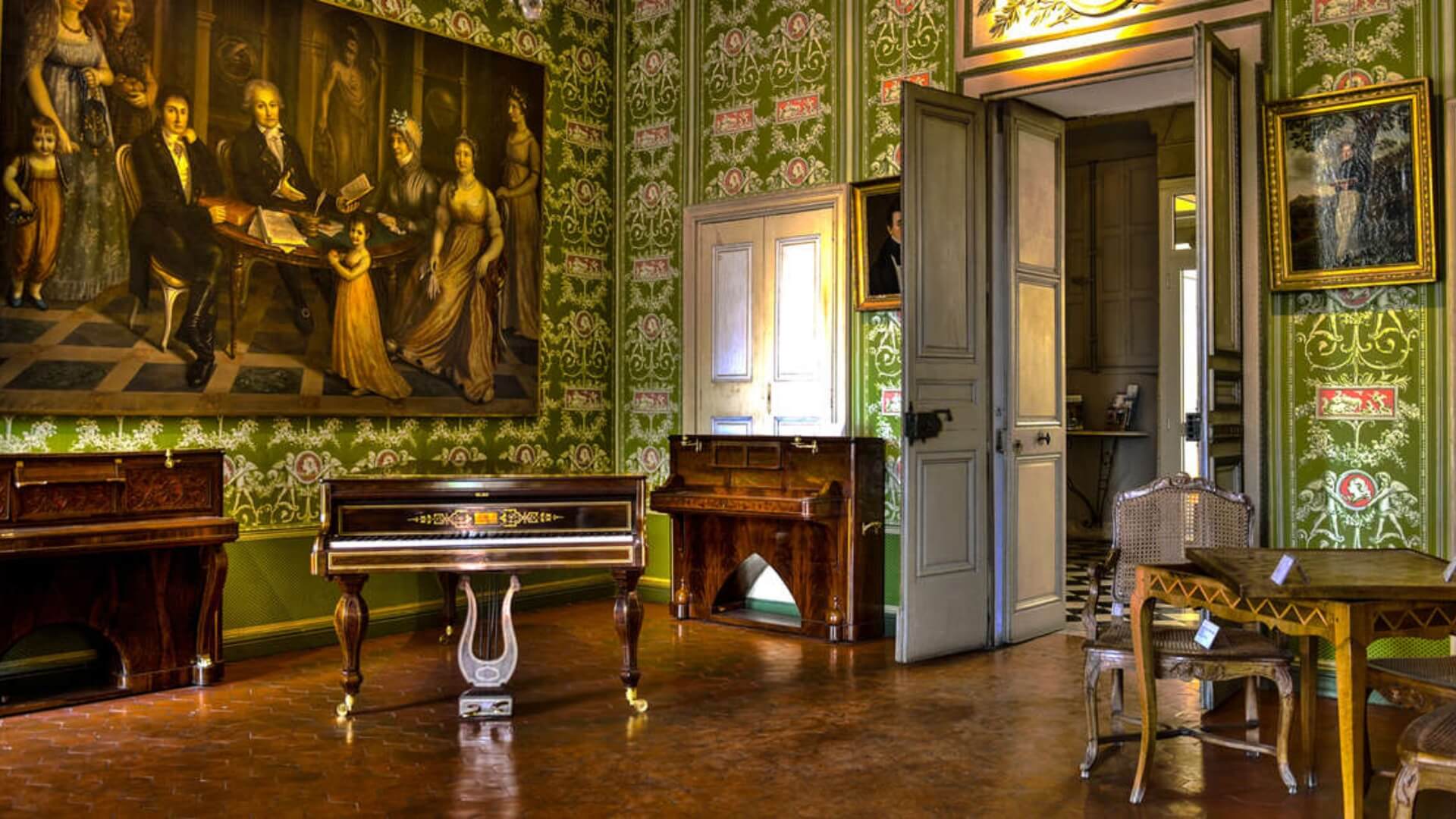
Founded in 1926, Fragonard is one of the great perfume houses of Grasse, but its cultural importance goes beyond fragrance alone. Named after Jean-Honoré Fragonard, the 18th-century painter born in Grasse, the house has always positioned itself at the crossroads of art, craftsmanship, and heritage.
Fragonard helped preserve the town’s perfume traditions at a time when industrialisation threatened small-scale production. The family behind the house also played a major role in celebrating Provençal culture more broadly, through textiles, decorative arts, and the creation of museums that document regional history and fashion.
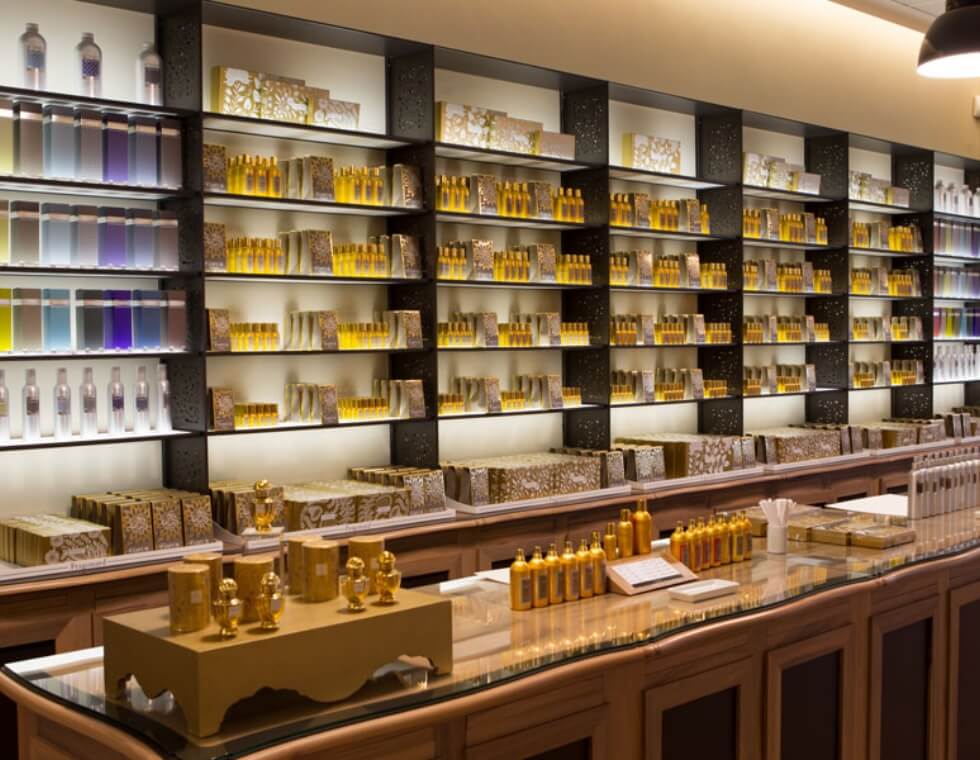
Today, visiting Fragonard is not just about smelling perfume. It’s about understanding how scent connects to art, memory, and place.
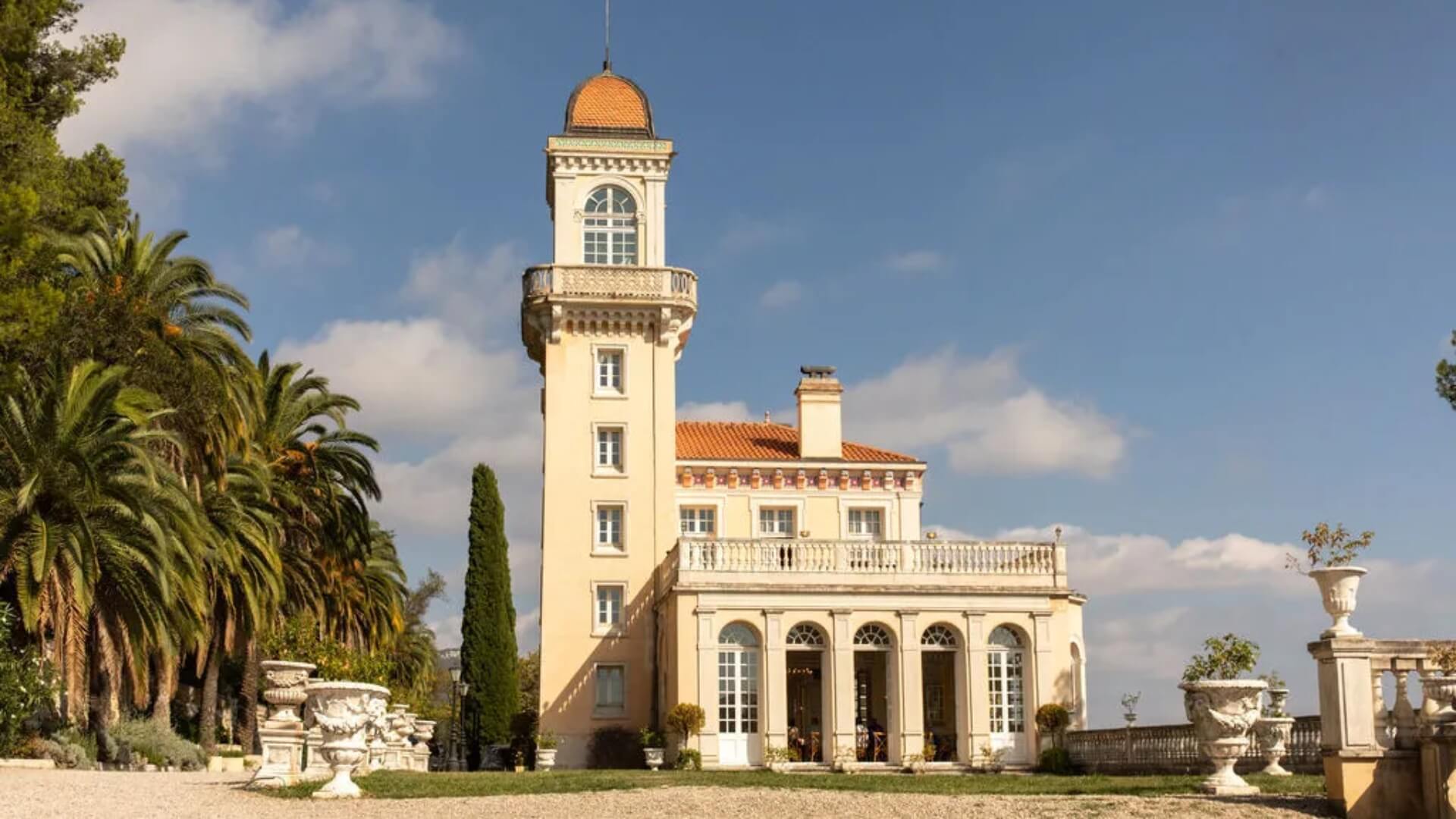
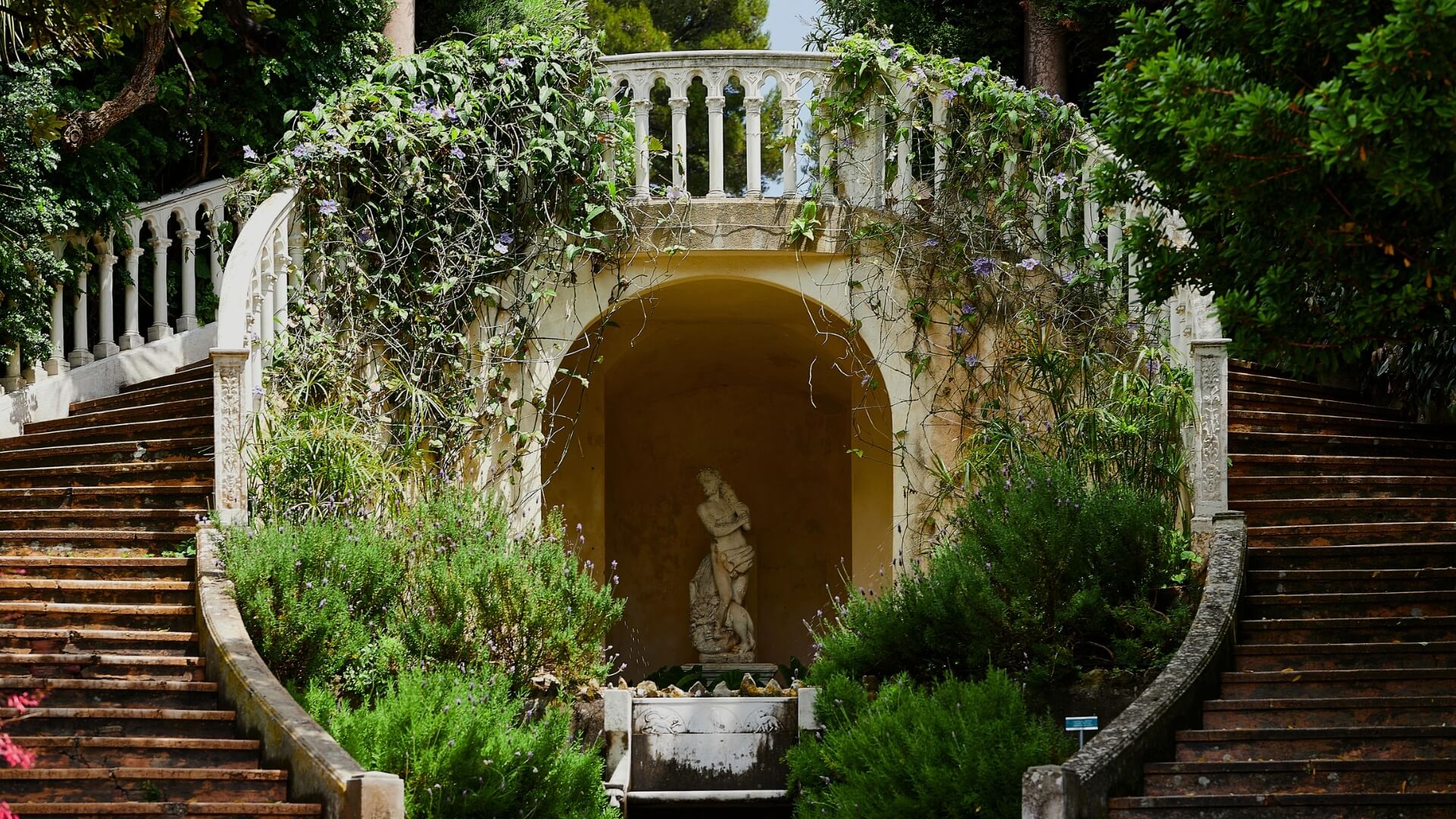
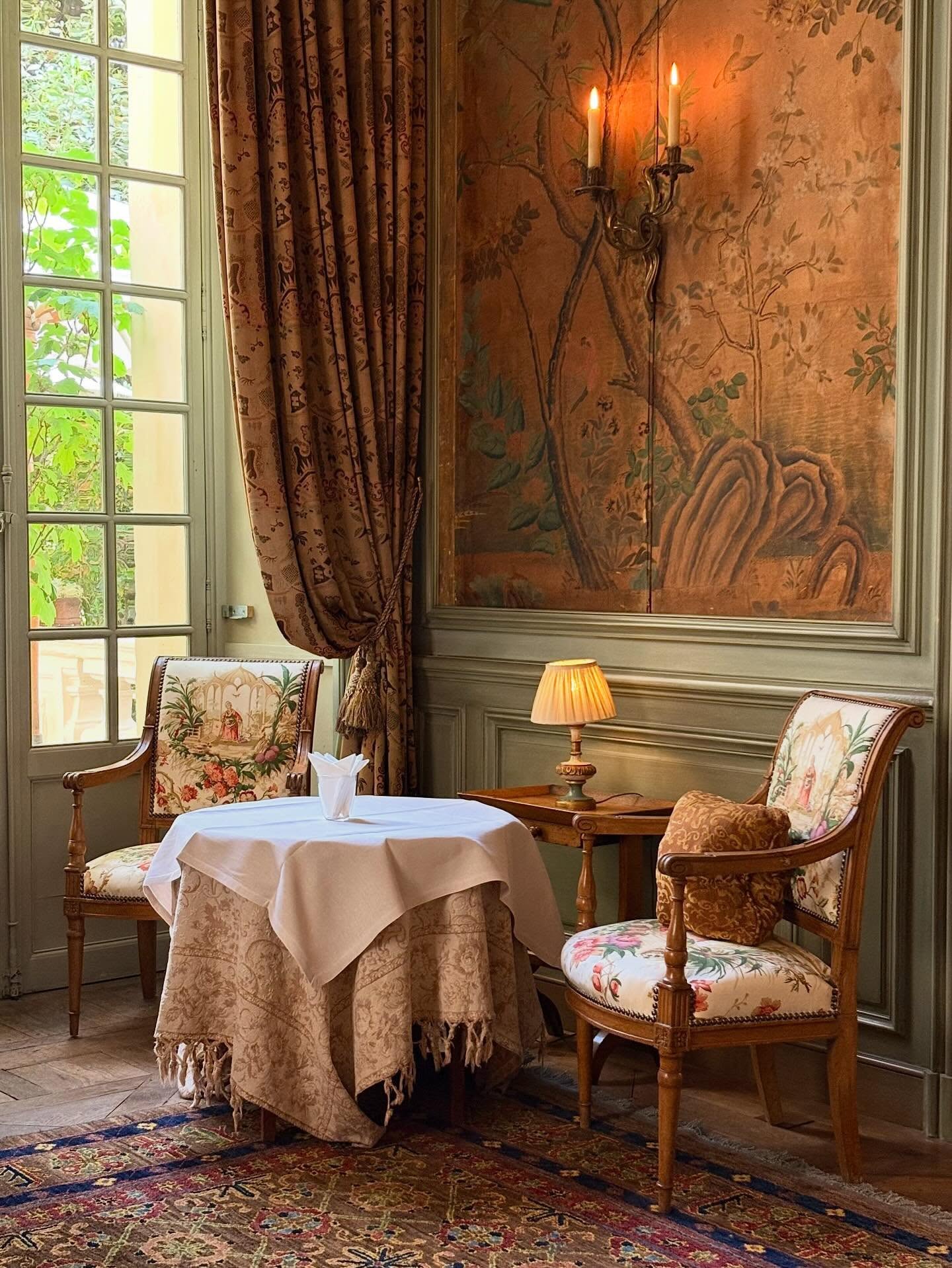
Beyond perfume, Grasse is filled with beautiful, often overlooked architecture. Elegant 18th- and 19th-century villas, once owned by perfume families, dot the hillsides. Many are surrounded by terraced gardens planted with citrus trees, roses, and Mediterranean shrubs.
Some of these gardens are formal, others almost wild, but all reflect the same idea: that beauty here is meant to be lived with, not displayed. This quiet elegance is what we love most about Grasse. It never feels staged.
Even the historic centre, with its steep lanes and hidden squares, invites slow exploration rather than sightseeing.
Grasse remains relevant because it has managed to protect its know-how. In 2018, UNESCO recognised the perfume-related skills of the Pays de Grasse as Intangible Cultural Heritage, a rare acknowledgement of living craftsmanship.
Despite globalisation, the town continues to train perfumers, growers, and artisans. The link between land, flower, and finished perfume still exists here, even if on a smaller scale than before.
That continuity is what gives Grasse its soul.
MFCH Travel Experiences
Gardens of the French Riviera with amy kupec larue
Join us on an enchanting journey through the French Riviera’s iconic landscapes and hidden treasures, led by our expert tour guide, Amy Kupec Larue.
Don’t be alarmed, we do not use or store your information. We are a French site and this is simply a regulation for the European Union to let you know that this website uses cookies to improve your user experience. By using our website you consent to all cookies in accordance with our Cookie Policy. Read More