From Versailles to the Loire Valley and Normandy, five French potagers we think are worth making a detour for.
We visit a lot of gardens for MFCH, and we have to admit that we often enjoy the potager just as much as the grander parts of an estate.
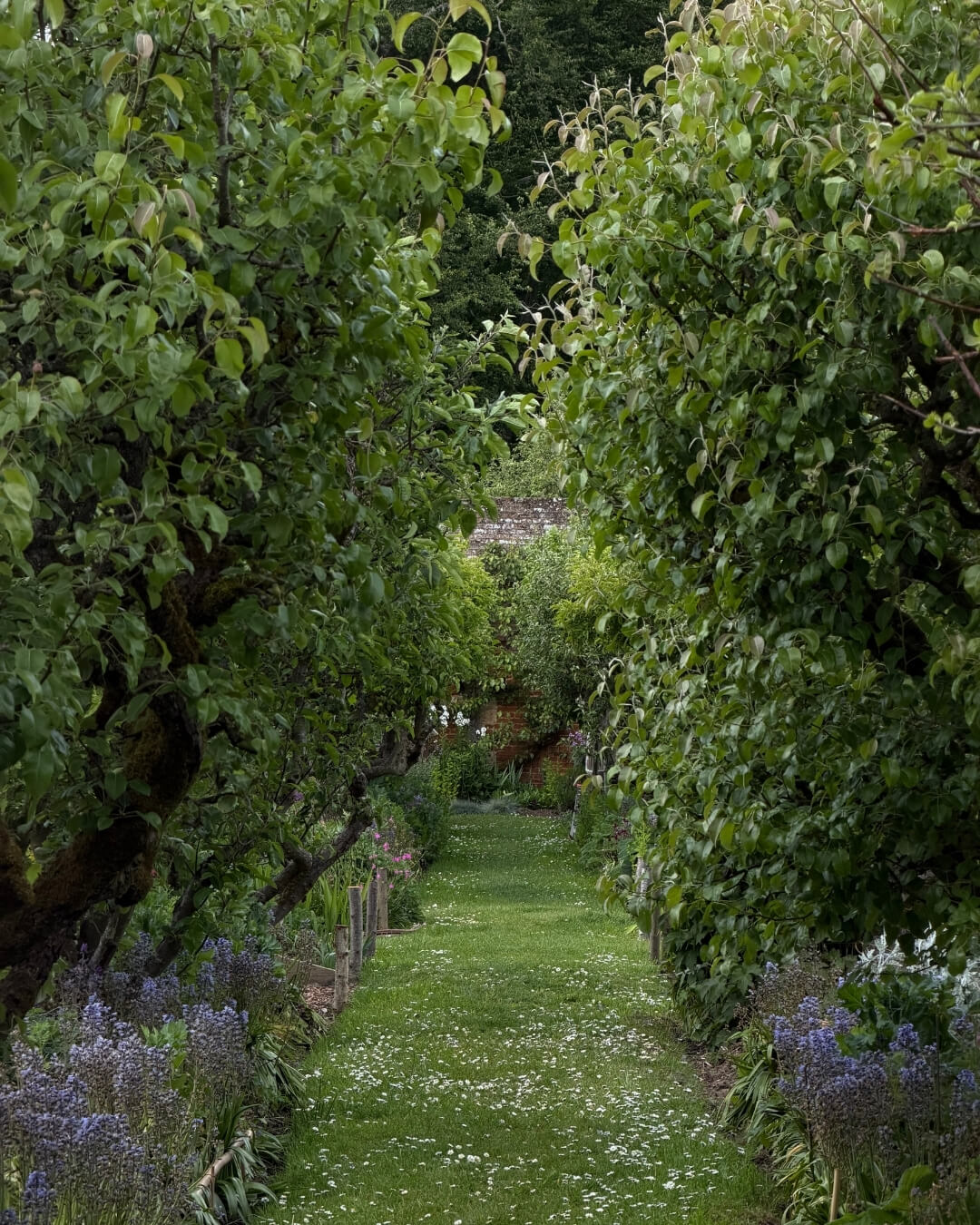
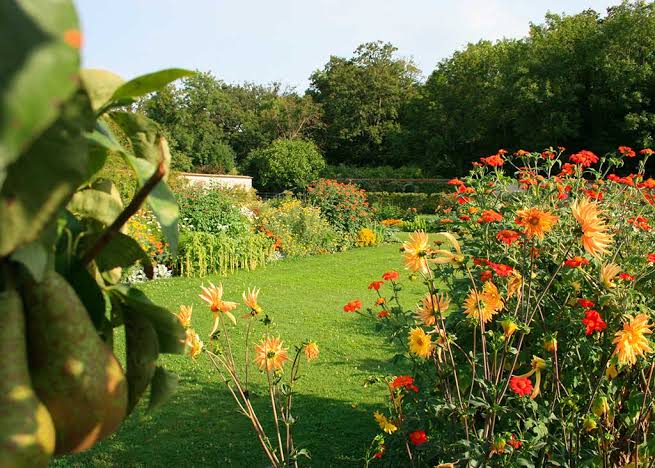
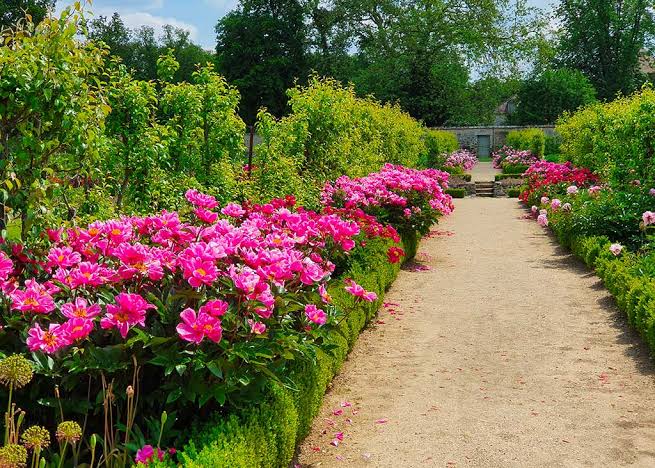
A French potager is rarely just a place to grow vegetables. You’ll find espaliered fruit trees along old stone walls, rows of lettuces next to dahlias, herbs, berries, flowers for cutting and vegetables that have been grown there for generations. And while some are extremely formal, others are allowed to be a little more unruly.
They’re also gardens that change enormously through the year. Visit in May and again in September and you can feel as though you’ve come to a completely different place.
These five are all gardens we love, and each is worth visiting for a different reason.
The Ornamental Kitchen Garden at Château de Villandry
Loire Valley
If you want to see just how beautiful a vegetable garden can be, start with Villandry.
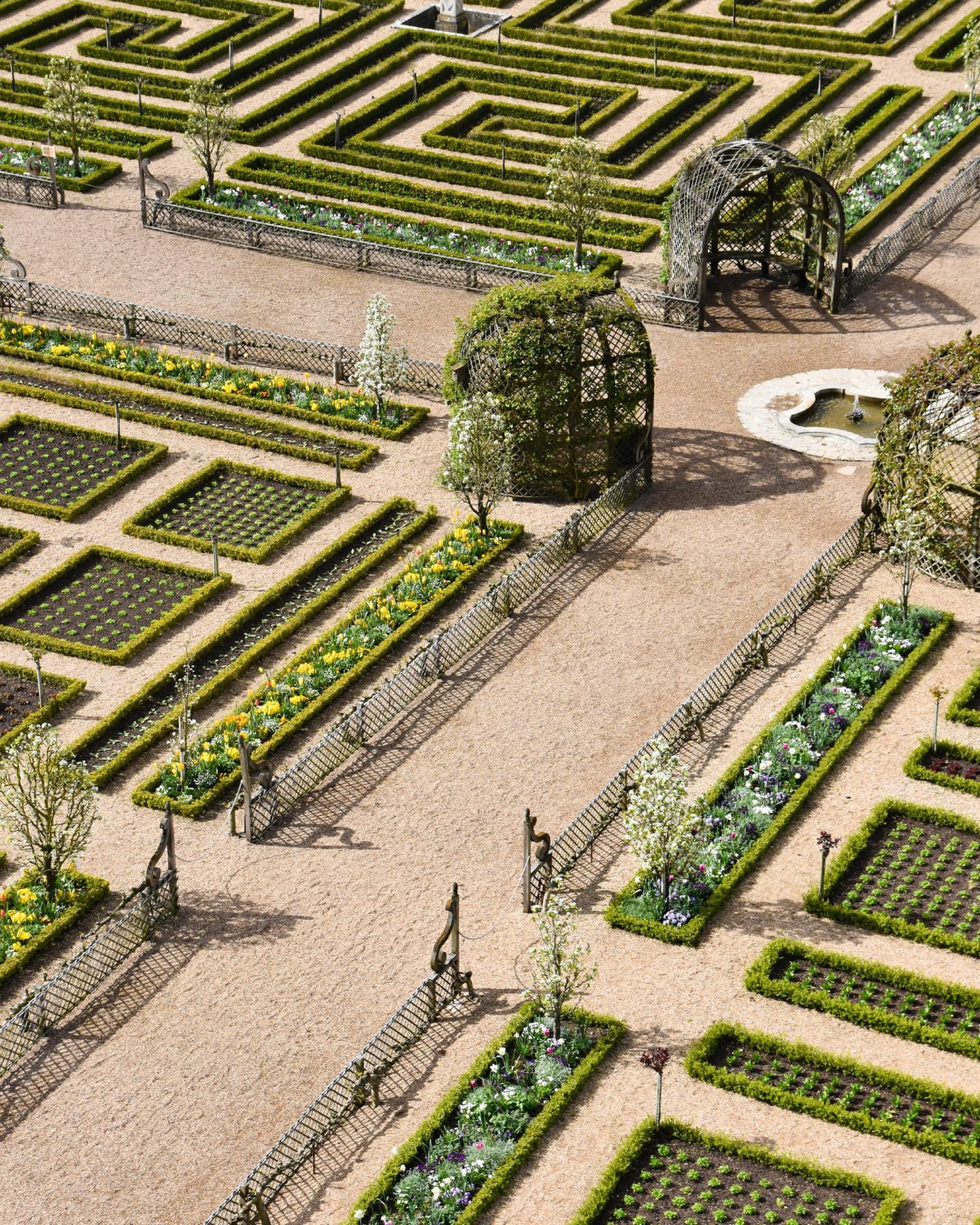
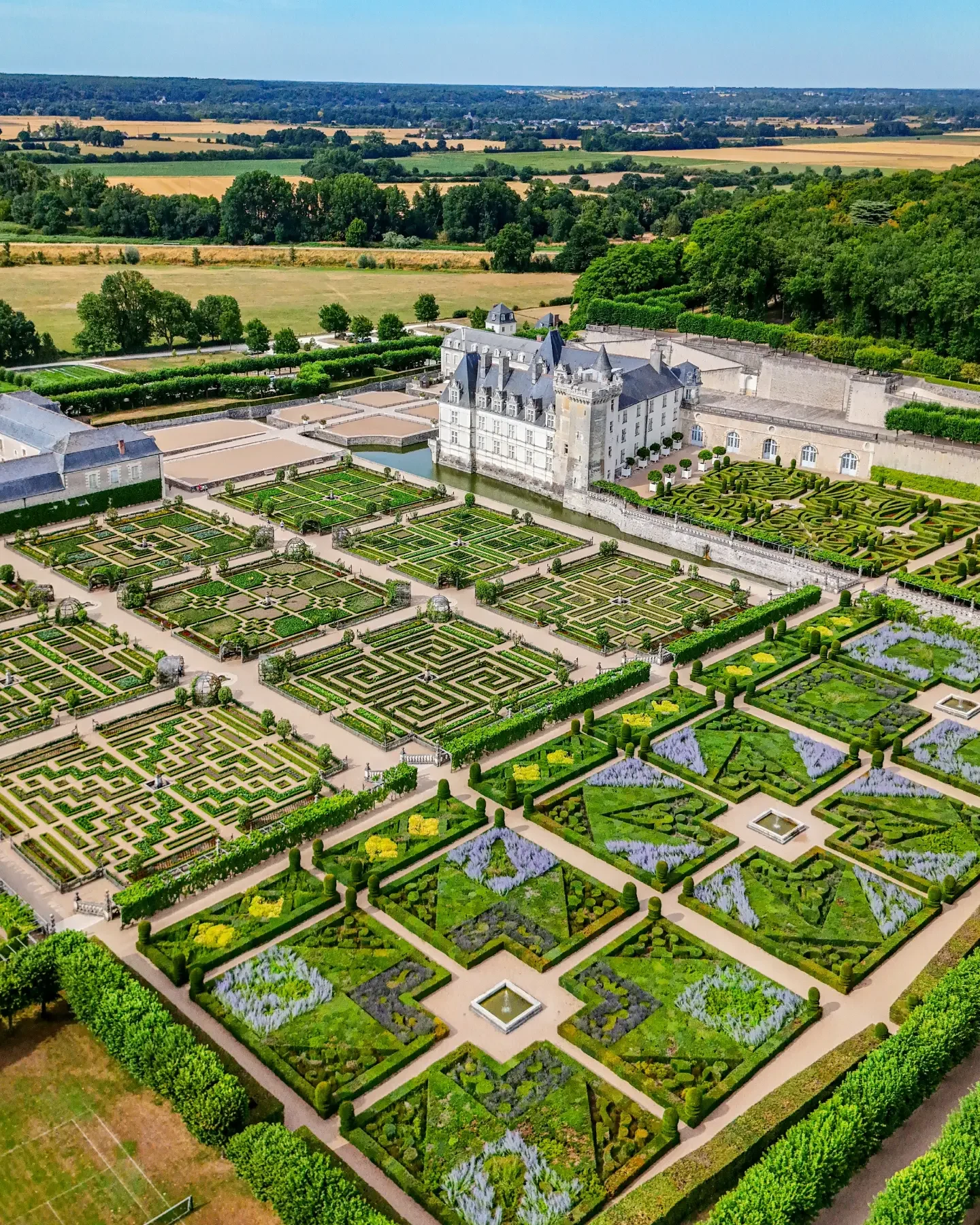
The potager here is probably the most famous in France, and when you first see it from the château, you understand why. Nine large squares are laid out below you, each with a different geometric pattern made from vegetables, fruit trees, flowers and boxwood. Around forty species of vegetables are planted each year, with the gardeners thinking about colour and shape as much as what they are actually growing.
What we particularly love is seeing it from above first. Walk through the château and look down from the windows or terraces before going into the garden itself. From up there, you can properly understand the design; once you’re down among the beds, you start noticing all the individual vegetables that create it.
And it isn’t static. The planting changes with the seasons, from lettuces, peas and early vegetables in spring to aubergines, peppers, chard, cabbages and tomatoes later in summer. September is one of the best moments to see the potager at its fullest.
Why we love it: Villandry makes you look at vegetables differently. A row of cabbages can apparently be every bit as decorative as a flower border.
Most people go to Versailles for the château and its famous gardens. But if you love gardening, we really recommend leaving some time for the Potager du Roi.
Louis XIV commissioned Jean-Baptiste de La Quintinie to create the nine-hectare kitchen garden between 1678 and 1683. Its job was very practical: provide the royal table with exceptional fruit and vegetables. La Quintinie became remarkably good at producing things when they weren’t supposed to be available, including asparagus and lettuce in winter and strawberries extraordinarily early in the season.
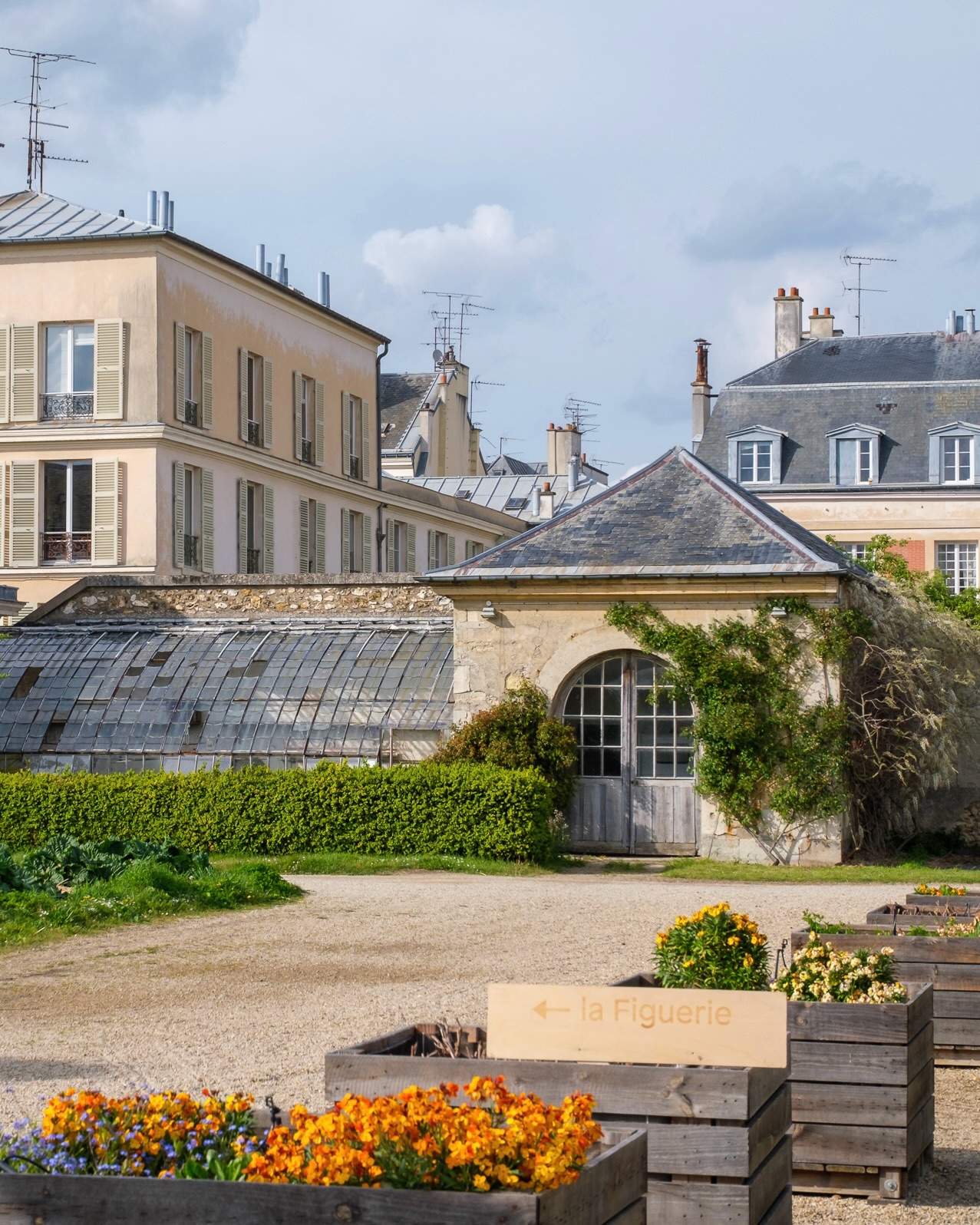
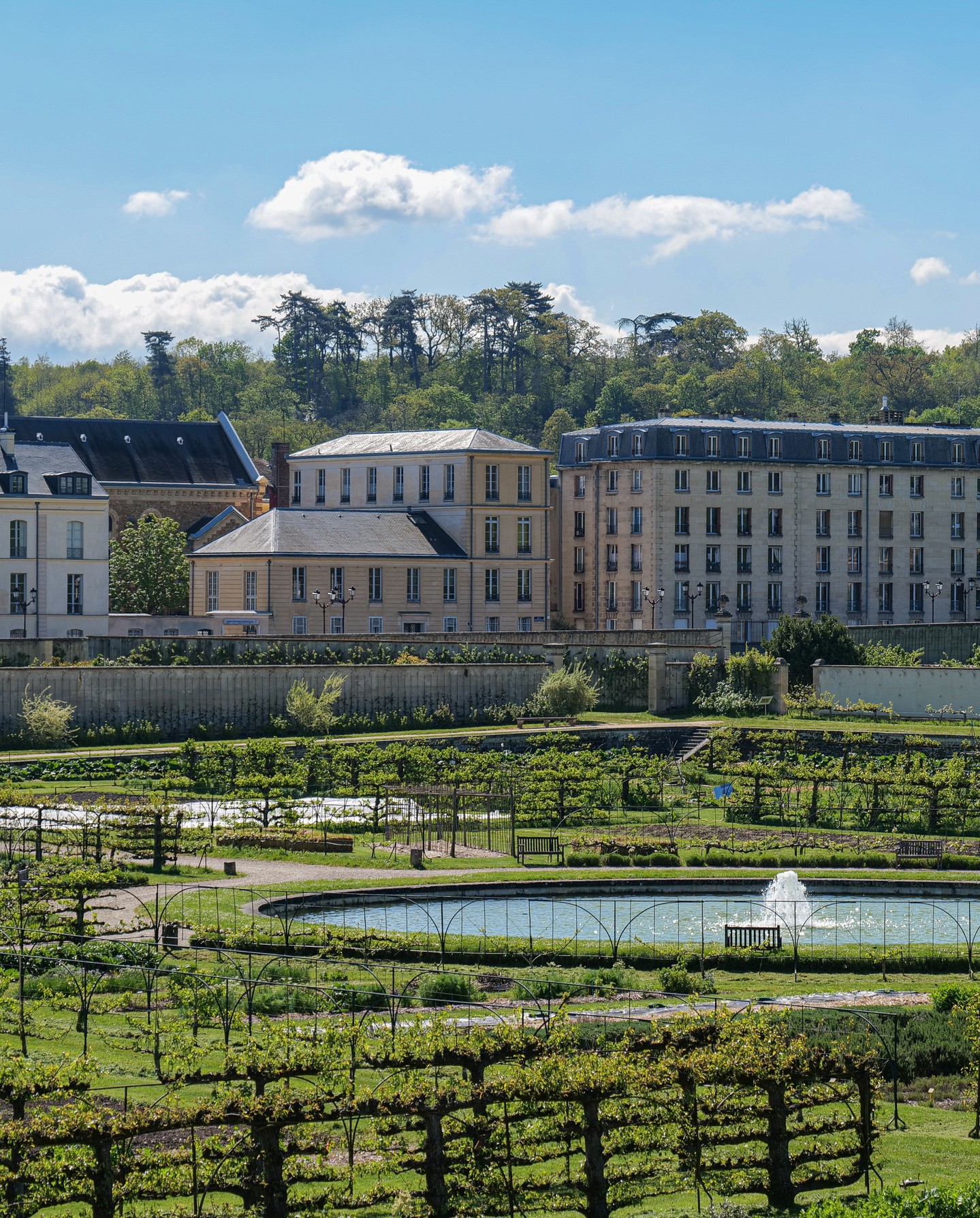
Today, it remains a working and teaching garden and is home to the École Nationale Supérieure de Paysage. The gardeners continue the extraordinary tradition of training fruit trees into espaliers and other forms, while growing hundreds of varieties of fruit and vegetables.
We like this one because it gives you a completely different side of Versailles. After the scale and decoration of the palace, walking through rows of pear trees and vegetable beds feels surprisingly grounded. And knowing that this was once quite literally where dinner for the royal household began makes it even more interesting.
Why we love it: Come for the history, but pay attention to the fruit trees. The espalier work alone is worth the visit.
Miromesnil is completely different from Villandry, and that’s exactly why we’ve included it.
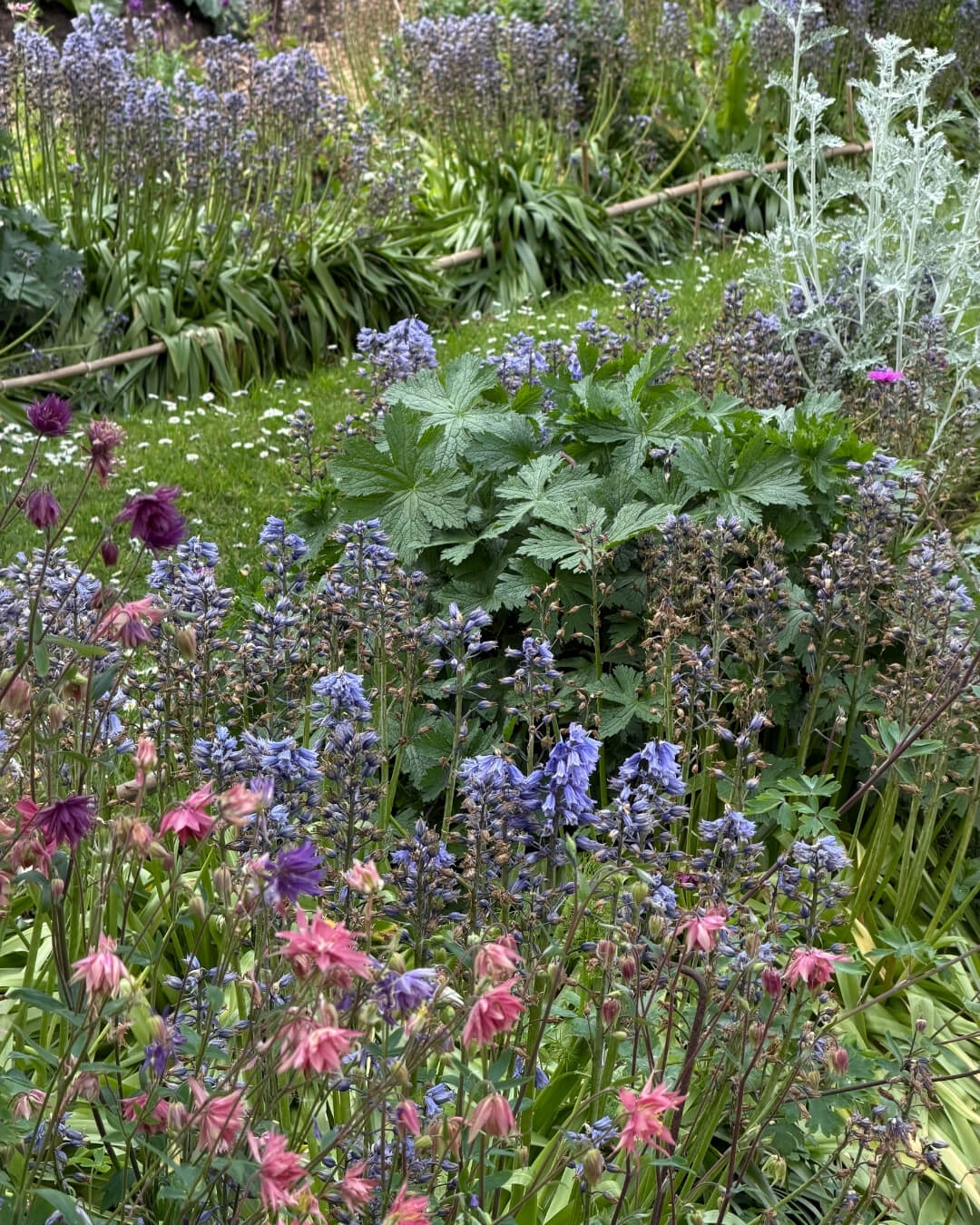
The potager sits beside the château, protected by old brick walls. Its basic layout is very French — four large squares of vegetables divided by grass paths — but the planting is much looser. Flowers spill along the edges of the vegetable beds in mixed borders, giving the garden an almost English feel.
That mixture isn’t accidental. After the Second World War, Simone de Vogüé, grandmother of the current owner, began introducing flowers into what had originally been a purely productive garden. The garden that visitors see today took more than thirty years to develop.
This is probably the one we’d steal the most ideas from for our own gardens. It doesn’t feel like you’re looking at a display that couldn’t possibly be recreated at home. Vegetables, old fruit varieties and flowers grow together, and the potager still supplies the château kitchen.
Why we love it: It’s beautiful without being too perfect. If you like the idea of mixing your tomatoes and lettuces with flowers rather than keeping everything in separate beds, you’ll leave with plenty of ideas.
The Potager Fleuri at Château de Saint-Jean de Beauregard
Just outside Paris
This is one we often recommend to garden lovers who have an extra day in Paris.
About 30 kilometres from the city, Saint-Jean de Beauregard has preserved something increasingly rare: a proper seventeenth-century château kitchen garden. Enclosed by walls and covering two hectares, the potager was originally large enough to help feed the roughly forty people living on the estate. It was restored beginning in the 1980s using historic plans preserved in the château archives.
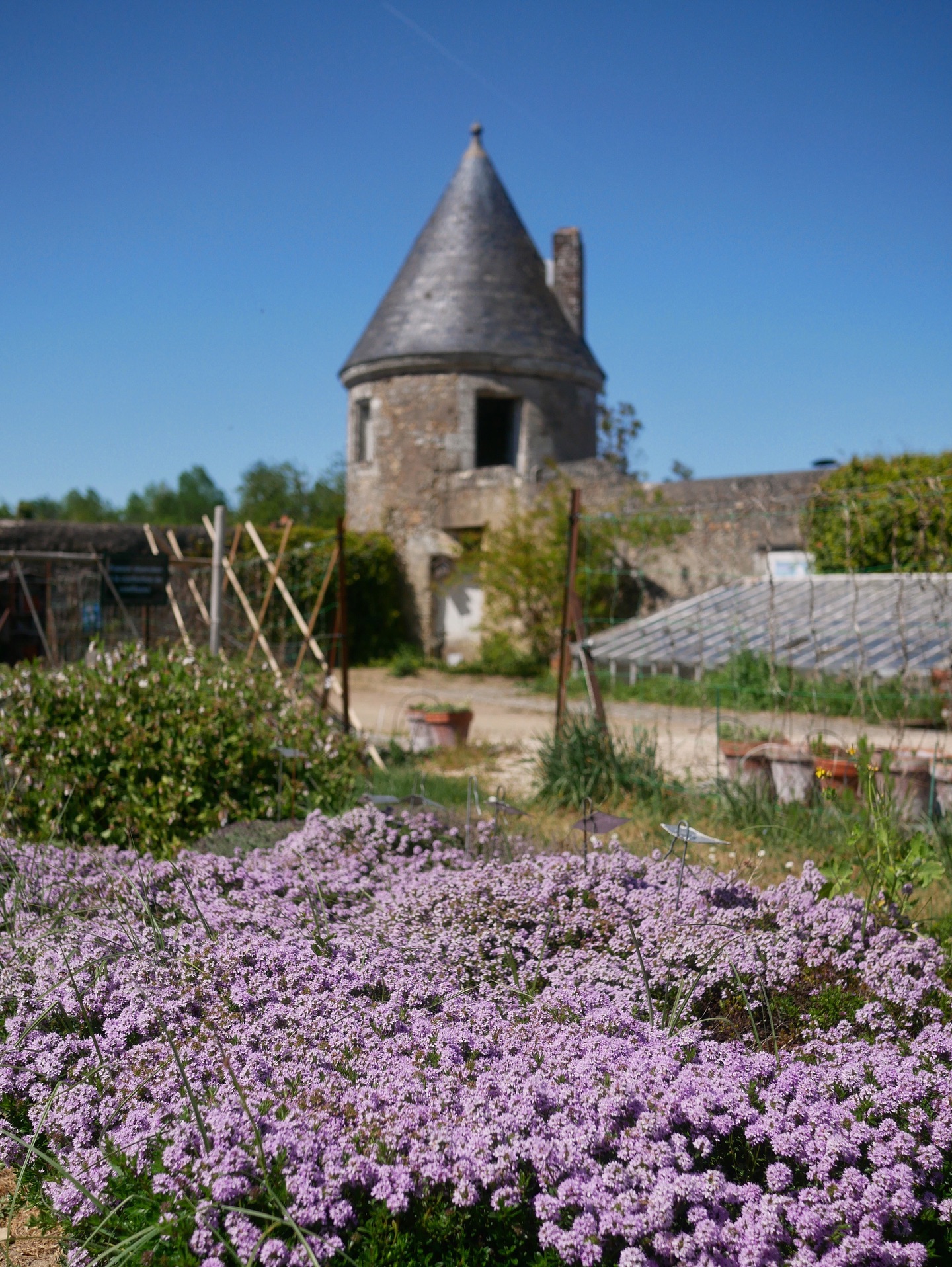
Today, flowers, fruit and vegetables are deliberately grown together. There are familiar things — leeks, carrots, squash and cabbage — alongside wonderfully odd old varieties including white strawberries and strawberry spinach. There are also grape greenhouses, fruit trees and even a room once used to preserve bunches of grapes for months after harvesting.
It’s the sort of place where we end up taking far too many photographs of individual beds because there is always some combination of plants worth remembering.
Why we love it: It’s close enough to Paris for a day trip, yet once you’re inside the walled potager it feels very far removed from the city.
Valmer is one of those places where you shouldn’t rush directly to the potager, because getting there is part of the experience.
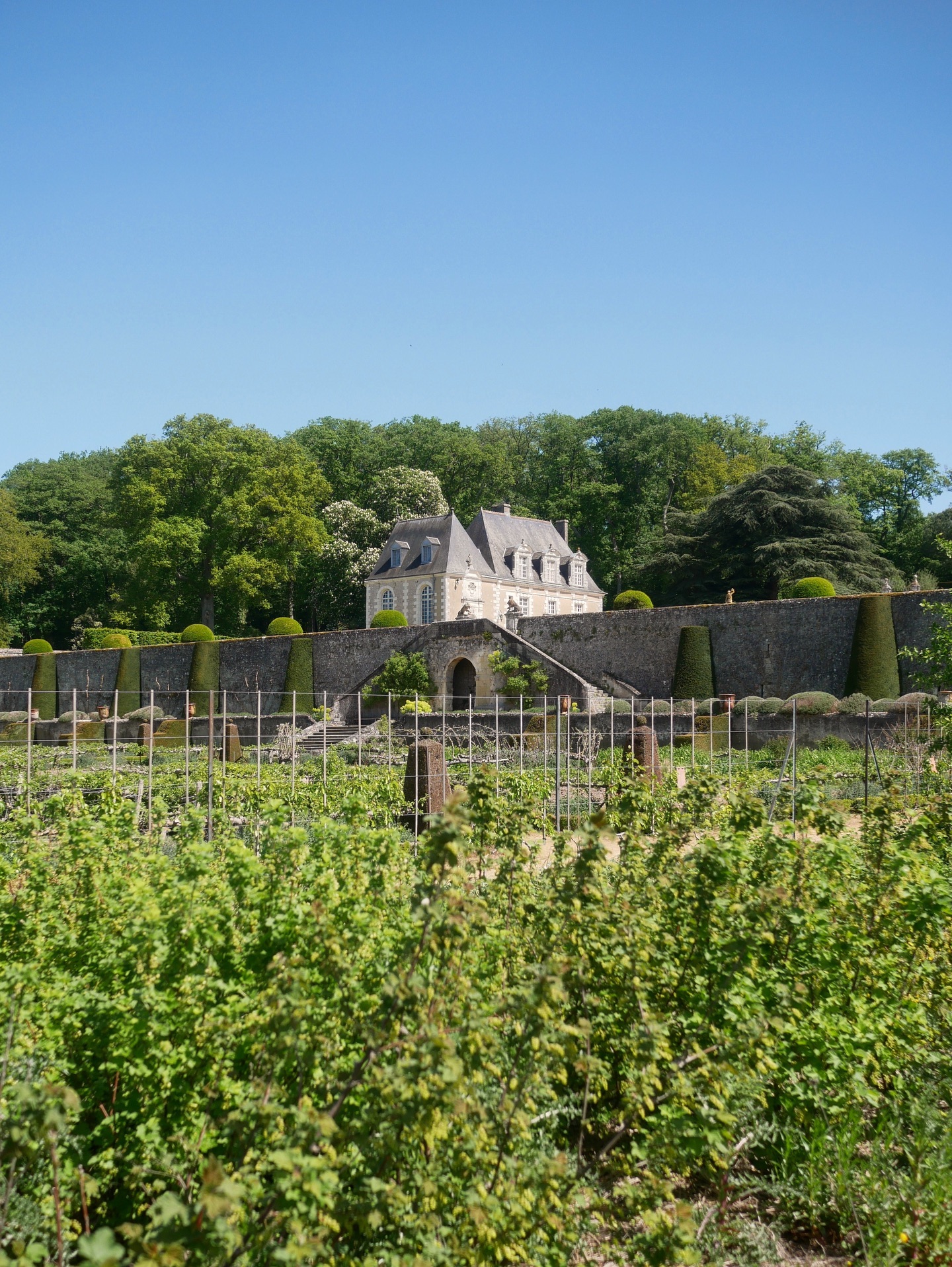
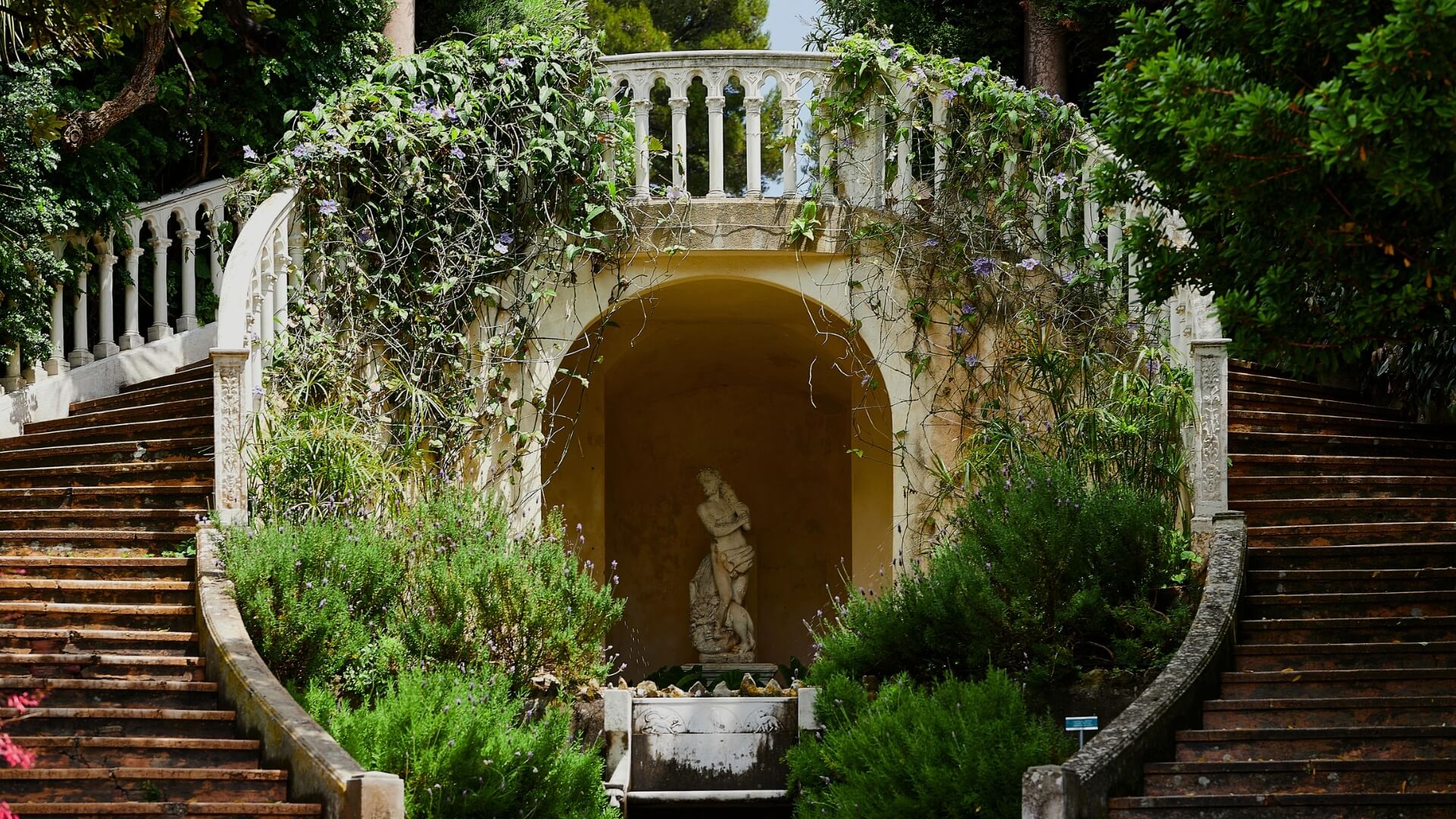
The gardens descend across eight levels of terraces overlooking the Vouvray vineyards, with fountains, balustrades, clipped greenery and a sixteenth-century troglodyte chapel along the way. At the bottom sits the one-hectare walled kitchen garden.
Its layout is wonderfully traditional: four large squares divided again into smaller plots around a circular pool. Within them you’ll find vegetables, herbs, berries, espaliered peaches, apricots, figs, apples and pears, alongside a wonderful collection of edible flowers.
Valmer is also a wine estate, and we like that the garden doesn’t feel separate from everything else happening here. The potager, vineyards, historic terraces and landscape all belong together. A collection of Loire Valley grape varieties has even been planted within the kitchen garden itself.
Why we love it: It’s the combination. Come for the potager, but leave enough time for the terraces, the views across the vines, and a tasting of the estate’s Vouvray before you leave.
MFCH Travel Experiences
Discover Our 2027 Journeys
A curated collection of small group tours across France, blending culture, gardens, antiques, history, and art de vivre.
Don’t be alarmed, we do not use or store your information. We are a French site and this is simply a regulation for the European Union to let you know that this website uses cookies to improve your user experience. By using our website you consent to all cookies in accordance with our Cookie Policy. Read More